



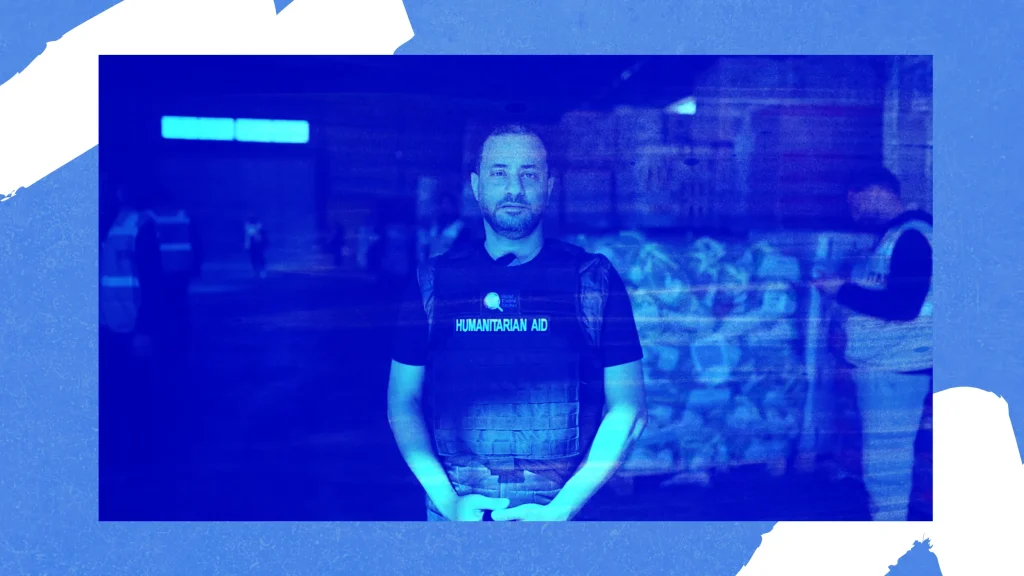
In 2015, Wadhah Hubaishi, a logistics professional from Yemen completed an RHSC scholarship-funded course for Certification in Humanitarian Supply Chain Management. The program broadened his understanding of what effective supply chains could achieve, from forecasting demand and managing inventories, to ensuring lifesaving commodities reach people safely, reliably, and on time.
We catch up with him on how he has drawn on those early lessons over the past decade, in which he has worked across Yemen, Syria, Lebanon, and Gaza, coordinating humanitarian operations in some of the world’s most challenging environments.
Today, Wadhah is the Response Director for Gaza and the Middle East at World Central Kitchen:
The importance of supply chain basics, whatever the commodity
“Earlier this year, overseeing World Central Kitchen’s emergency food operations in Gaza, I supervised the production and delivery of one million hot meals in a single day — enough to feed roughly half of Gaza’s population.
Nothing was guaranteed. We had a ‘Plan A’ menu if the expected supplies arrived, and a ‘Plan B’ for when they didn’t. While the commodities I work with have changed over the years — from contraceptives and maternal health supplies to flour, cooking oil and baby formula — the fundamentals have remained remarkably consistent. Every humanitarian response depends on accurate forecasting, procurement, transport, last-mile distribution and coordination.”

“Every humanitarian response depends on accurate forecasting, procurement, transport, last-mile distribution and coordination.”
Wadhah Hubaishi
Why strong partnerships can save lives
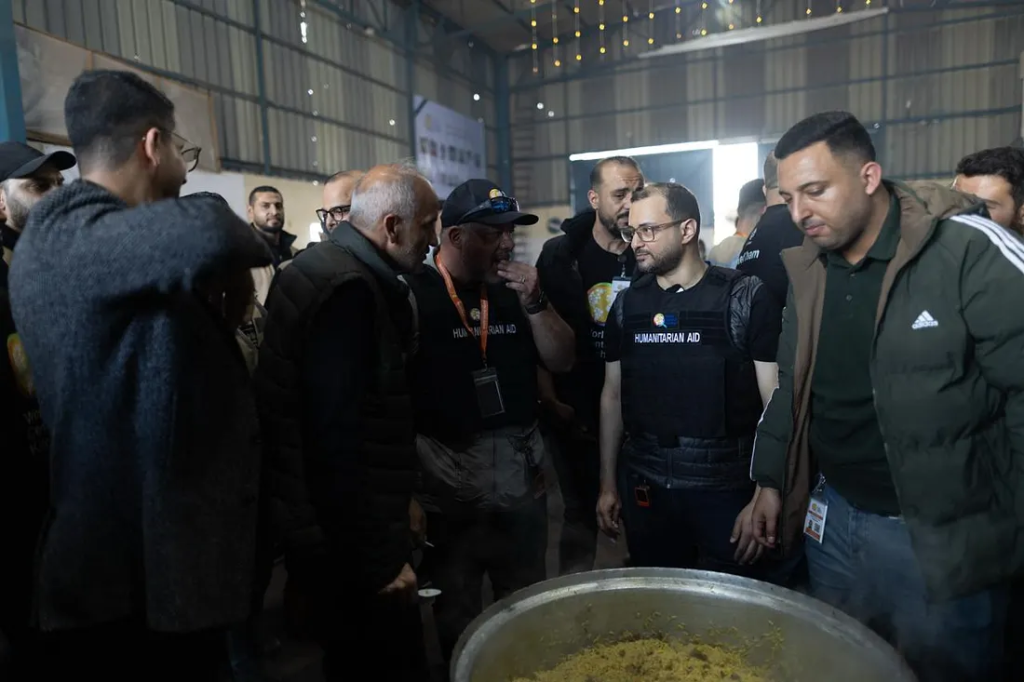
“Partnerships are crucial for supply security. In Gaza, I work with community kitchens operating in the heart of local neighborhoods, bringing trusted relationships, local knowledge, and familiar cuisine to the response. Local partners know their communities better than anyone — they know what people will eat, how to reach them, and how to respond quickly.
The same principle applied during earthquake responses I’ve worked on in Syria, where local health partners were able to identify precisely which medicines were needed and where. Strong partnerships with community organizations, health ministries, and frontline health workers help ensure essential commodities like reproductive health supplies reach communities, even when conventional systems are under immense strain.”
Last mile access often being the weakest link
“Aid agencies often know exactly what is needed and where it is needed. But borders can close without warning, approvals can take weeks, and even everyday items like baby formula can require lengthy negotiations before they are allowed through.
The same barriers affect reproductive health supply chains. Delays don’t simply interrupt deliveries — they can mean a health facility runs out of contraceptives, a woman gives birth without essential medicines, or emergency obstetric care is compromised. Even the strongest supply chain cannot deliver lifesaving products if last mile access is denied.
International funding cuts have intensified these pressures, forcing organizations to make impossible choices. How should I convince someone to eat one meal a day instead of two? How do I decide who gets the last meal?”
“If someone comes looking for contraception twice and can’t get it, they often stop coming. That unmet demand becomes invisible.”
Wadhah Hubaishi
Reproductive health supply chain issues
“Early in my career, I worked on strengthening reproductive health supply chains in Yemen, analyzing commodity data and helping identify where women were being left behind by fragile health systems.
The data showed that health workers were administering larger doses of oxytocin than expected, and we were not sure why, till we found out that refrigeration was failing. Without a well-functioning cold chain, the medicine lost potency, forcing providers to administer more.
Other gaps are harder to understand. If someone comes looking for contraception twice and can’t get it, they often stop coming. That unmet demand becomes invisible.
Interrupted supply chains, damaged cold chains, stockouts, and the loss of trained health workers can undo years of progress. Rebuilding those systems takes far longer than restoring a warehouse or reopening a road.
When conflict disrupts health systems, reproductive health often slips down the list of immediate priorities as organizations focus on food, trauma care and emergency medicine. But the need does not disappear. Women pay the price.”
Why he is still working in humanitarian supply chain
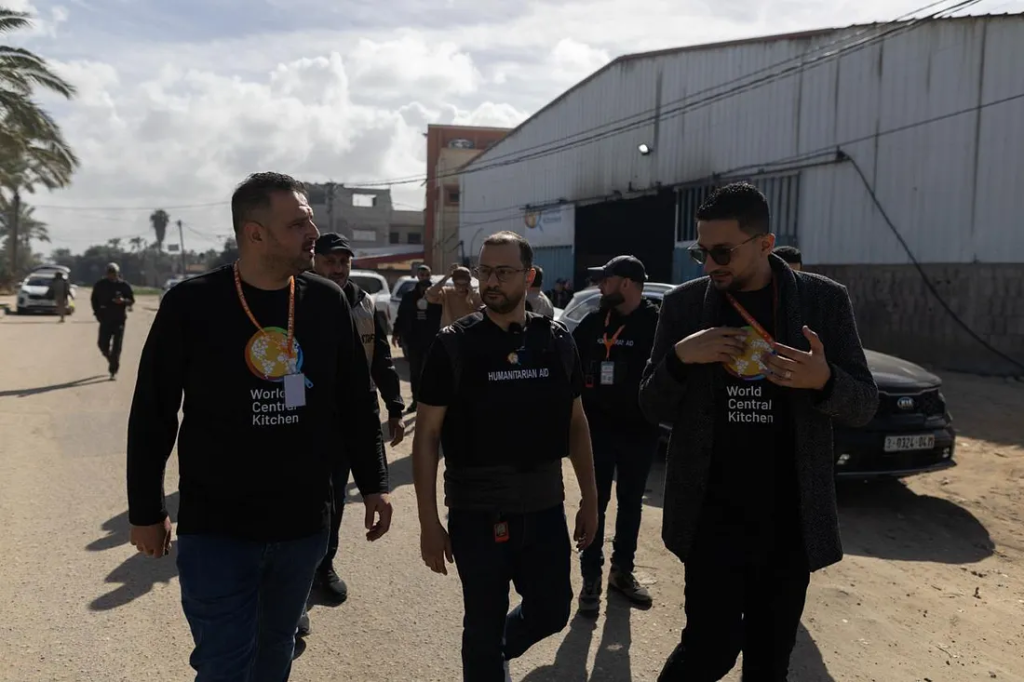
“One memory will stay with me always. A shipment of fruit and vegetables had arrived in Gaza and a child went up to his father, proudly waving a banana, and asked him, ‘Can I eat the peel?’ He had never seen a banana before.
If I could have one superpower, it would be to end wars. The next best thing I can do is what I know how to do best: find ways to reach people when they need help most.
The RHSC LAPTOP Scholarship Programme was more than a professional development opportunity. It gave me the foundation to solve supply chain challenges in some of the world’s most demanding humanitarian settings. Whether delivering contraceptives, oxytocin, or a hot meal, the mission has remained remarkably consistent: ensuring lifesaving supplies reach the people who need them, when they need them most.
Why am I still here?
The people I help today were okay yesterday. I trust they will be okay tomorrow.
They only need help today.”
“Why am I still here? The people I help today were okay yesterday. I trust they will be okay tomorrow. They only need help today.”
Wadhah Hubaishi