
IMPACT AREA
Menstrual Health Supplies
Coordinating global action to ensure dignified access to menstrual health supplies through strengthened supply chains, market development, data visibility, product standards, and evidence-based advocacy.


On this page:
Why This Matters
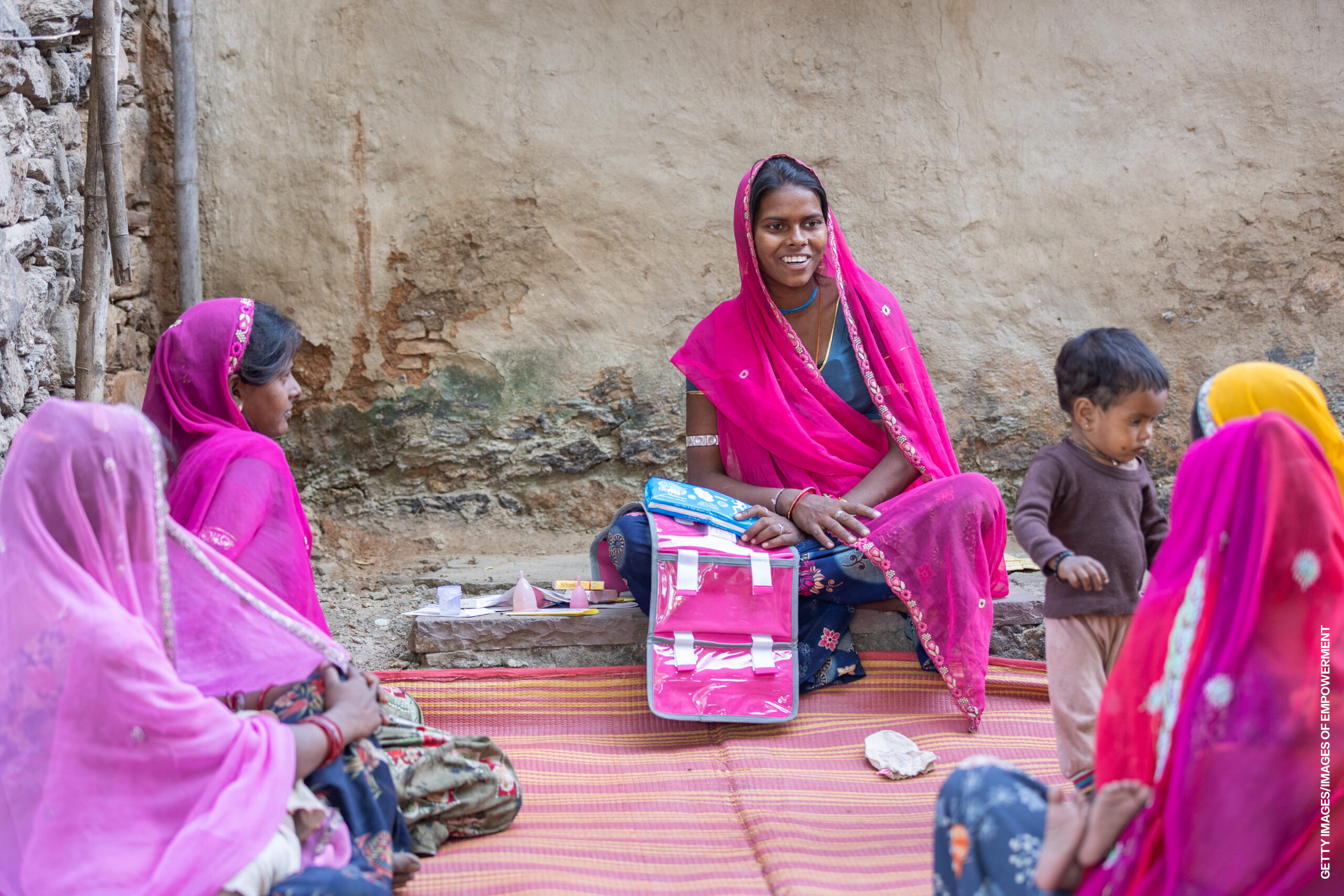
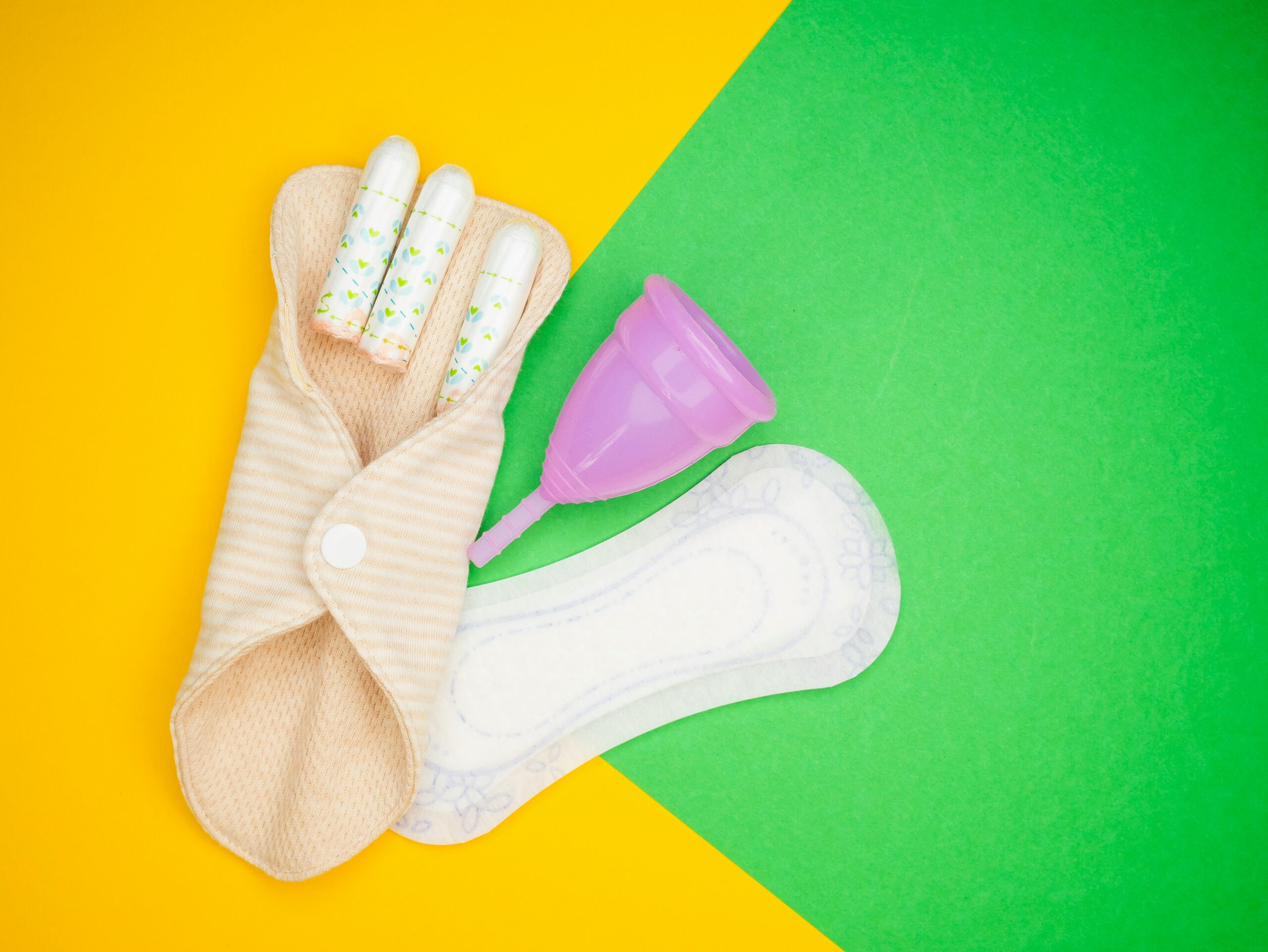
Access to a range of high-quality menstrual product options—both single use and reusable—ensures that all those who menstruate can choose and use a product that meets their needs. This means better menstrual health and broader reproductive health outcomes for women and girls, as well as confidence, dignity, education access, and economic participation.
Yet, too many people cannot access products. Across LMICs, an estimated 688 million people who menstruate lack sufficient access to menstrual products, often resorting to using products beyond their suggested use or using non-purpose-made products, like cloth or wool. Not only does this impact health outcomes, it also carries significant social and economic costs, preventing women and girls from full participation in education or economic activities.
Ensuring that all those who menstruate get the products they need requires sustainable market development and resilient supply chains to ensure that menstrual products are available, affordable, and meet quality standards. It also requires diversifying the volume of product manufacturers and suppliers participating in markets in low-resource settings.
Quick Facts
1.72 billion
people who menstruate live in LMICs.
688 million+
people lack adequate access to menstrual products.
161 million
new users of menstrual products by 2035.


“Improving menstrual health product markets requires more than expanding supply alone. It demands coordination across sectors, manufacturers, governments, and advocates. RHSC is uniquely positioned to connect these efforts, strengthening markets so more people can access affordable, quality menstrual health products.”

Tanya Mahajan
Co-Chair, Maternal Health Supplies Working Group, Co-founder, Menstrual Health Action for Impact
The Challenge
Systemic barriers, underdeveloped markets, and pervasive stigma and taboo limit access
to quality, affordable menstrual products.

Product Standards & Quality
The lack of aligned global standards for menstrual products makes it difficult for countries to develop and adopt quality standards, threatening consumer safety and market entry for product manufacturers.


Affordability
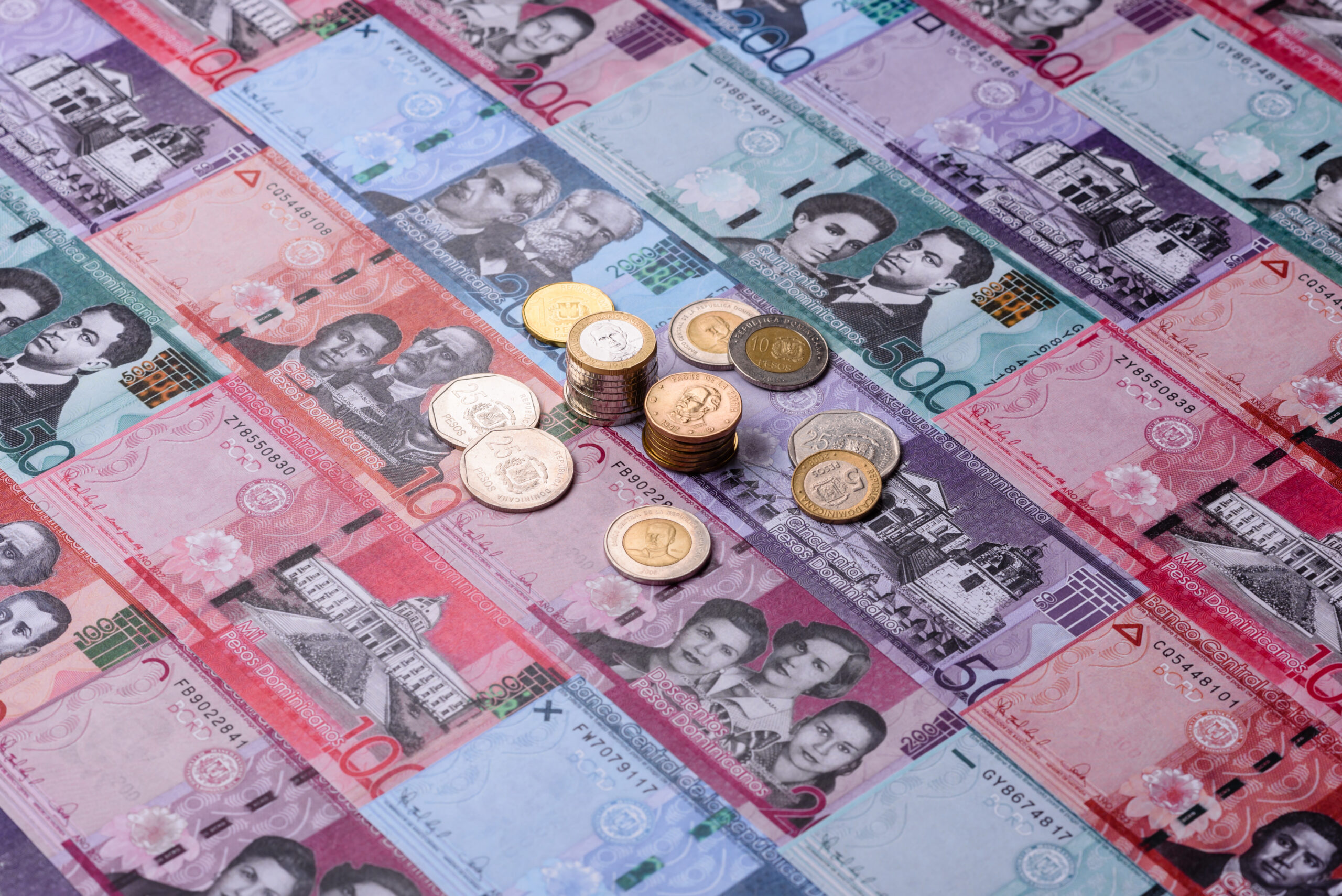
Menstrual products are generally bought by the end user and don’t benefit from major donor funding. Tax policy, limited market competition, and fragmented supply chains result in unaffordable prices.

Stigma & Taboo
Pervasive stigma and taboo can make it difficult for those who menstruate to access accurate information about menstruation and product options.


Data Deficits
Data about menstrual health—including critical information on product access, pricing, and use—remains limited, fragmented, and expensive to access.


Impact & Results
RHSC advances menstrual health supply security through improved data visibility and coordinated action to improve product quality and affordability. We also create healthier, more sustainable menstrual health product markets through collective action and partnership.

Tax Reform
in LMICs
RHSC created an interactive model and advocacy recommendations to improve product affordability and equity.

Understanding Access
across LMICs
We analyze current and future use and associated costs of menstrual products.

Improving Quality
of menstrual products
Our advocacy tools enable the development, adoption, and enforcement of product standards.

Choice
of products
We create awareness about the full range of supplies for managing menstrual bleeding and pain.
Related Member Groups
Interested in joining our collective action to accelerate access to menstrual health supplies?
Learn more about our Member Groups that focus on menstrual health supplies, below.
300+
Menstrual Health Working Group
Across LMICs, 688 million people who menstruate lack access to menstrual products, impacting their health, confidence, education opportunities, economic participation, and dignity. RHSC accelerates access to menstrual products and transforms systems to deliver them.

450+
ForoLAC Advisory Group
We accelerate access to contraceptive supplies by convening members to identify challenges and shape collective solutions. Current priorities include addressing funding cuts, expanding method choice, and developing shared advocacy messages and resources.

650+
Policy & Financing Advisory Group
We improve access to menstrual health products by working with different partners to develop markets and agree on the best ways to get products to people. Current priorities include making products more affordable, improving data, setting product standards, and better linking menstrual and reproductive health.
Media Hub
Impact and insights and progress from the field.


Explore Other Impact Areas
Find out how RHSC and its members are shaping a stronger, healthier landscape for reproductive health supplies worldwide.

Contraceptive Supplies
Each year, nearly half of all pregnancies in LMICs are unintended. RHSC expands access to contraceptive supplies, not only saving lives and enabling choice, but also resulting in significant cost savings.

Maternal Health Supplies
Globally, about 712 women die daily from pregnancy or childbirth complications. RHSC advances access to lifesaving maternal health products to make pregnancy and childbirth safer.

Safe Abortion Supplies
Each year, 34 million women living in LMICs have unsafe abortions, sometimes resulting in long-term disability and even death. Millions more cannot access safe abortion. RHSC accelerates access to safe abortion supplies, enabling lifesaving abortion and postabortion care.