
Strengthening Reproductive Health Supply Security Worldwide
RHSC has mobilized $700 million in leveraged funds and cost savings for reproductive health commodity security, driving real impact and helping lifesaving supplies reach the people who need them most.



RHSC’s Data Response to Funding Cuts
After funding cuts by the US government and other donors, RHSC quickly brought together data experts
to measure the impact on family planning resources and provide insights to support 380 million contraceptive users.

$45.8 million
Government savings over one decade
RHSC tools helped 10 LAC countries negotiate better terms for 54+ essential products.

$182 million
New orders mobilized for countries
The VAN helped procurers allocate more than $182 million in new commodity orders.

2X
ROI on investment
Every $1 spent by RHSC generates $2+ in new procurement and program scale-ups.

$26.6 million
Funds mobilized for contraceptives
VAN-allocated funds filled urgent gaps, supporting 9.7 million couple-years of protection in 23 countries.
Our Impact Areas
RHSC focuses on four areas of reproductive health affecting women through the course of their lives.
We help ensure reliable access to contraceptive, menstrual health, maternal health, and safe abortion supplies.


Contraceptive
Supplies
For 20+ years, RHSC has remained true to its original mission of increasing contraceptive access in low-resource settings.
Key Facts
- RHSC highlighted Central American migrant women’s heightened vulnerability to gender-based violence, increasing regional donor support.
- In a pioneering milestone, RHSC laid the groundwork for two contraceptive implant volume guarantees that led to 50 percent reductions 2013.
- RHSC helped make 13–69 percent volume discounts happen on contraceptive products for a private midwife network serving low-income communities in Peru, which then transitioned from donor support to a fully self‑sustaining model.
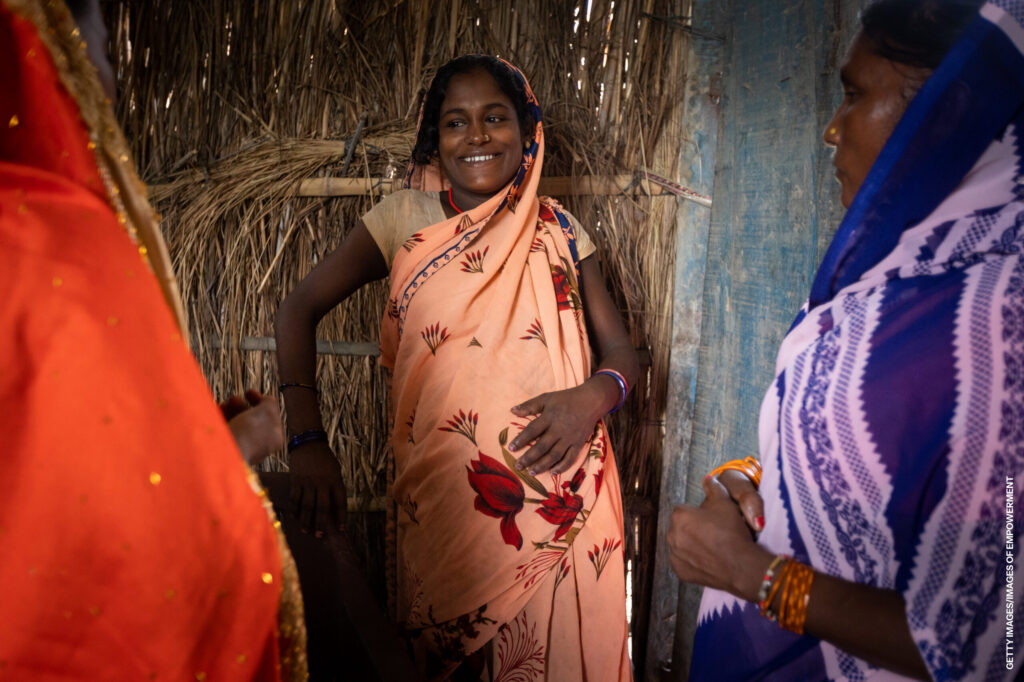

Maternal
Health Supplies
RHSC works to solve product- and market-related barriers to high-quality maternal health commodities, including postpartum hemorrhage prevention and care technologies.
Key Facts
- RHSC convened experts to simplify scientific findings on oxytocin, informing WHO guidelines and a UNFPA-WHO joint statement on oxytocin management.
- RHSC advanced global guidance on uterotonics and TXA, publishing tools and supporting scale-up in Africa.
- RHSC analysis helped Africa CDC include maternal health products in pooled procurement and helped shape a roadmap to expand African pharmaceutical manufacturing.
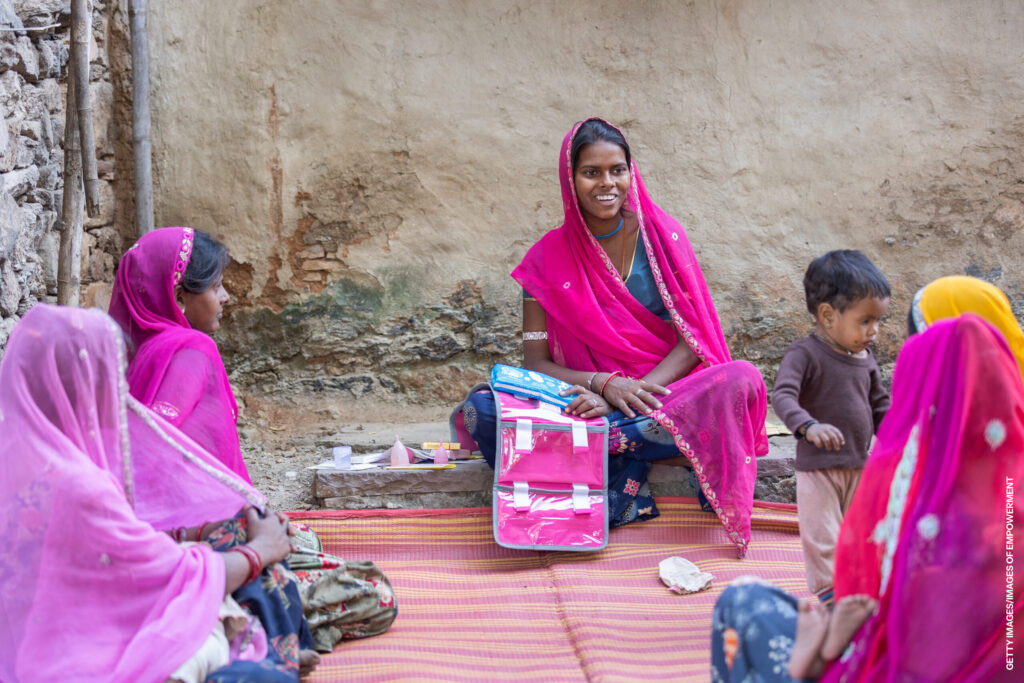

Menstrual
Health Supplies
RHSC helps develop menstrual health markets through collective action, and linking rights, systems transformation, product standards, climate resilience, data visibility, and policy.
Key Facts
- RHSC’s LEAP Report provides key data on menstrual health needs and costs in low- and middle-income countries.
- RHSC created the first comprehensive online resource for advocates and policymakers working to reduce/remove taxes on menstrual health products.
- Through an advocacy toolkit and product standards database, RHSC helps partners push for stronger menstrual product standards leading to more safety and market growth.


Safe
Abortion Supplies
RHSC addresses the barriers to safe abortion supplies access, including mifepristone, misoprostol, manual vacuum aspiration, and combi-packs.
Key Facts
- RHSC helped create an online observatory in Mexico, improving transparency and strengthening safe abortion services nationwide.
- Through the LEAP and CSMB Reports, RHSC provides critical data on safe abortion supplies markets globally.
- We introduced and marketed the first quality-assured medical abortion combi-pack in Zambia and tested its introduction with commercial distributors.
How Collective Action Creates Impact
Collective action improves access to reproductive health supplies by bringing stakeholders together to improve systems, strengthen supply chains, remove barriers, and ensure products reach the people who need them.

Policy and Regulatory Change
Collective action pushes governments to address gaps in reproductive health access, including regulatory barriers to supply movement. It expands coverage and enables better quality of care.
Strengthening Distribution
Access includes delivery. Collective action helps partners coordinate logistics, share data, and reduce duplication, improving forecasting, storage, and transport so supplies reach communities reliably.
Market Shaping and Affordability
When organizations, governments, and donors coordinate, they strengthen markets and supplier partnerships. Aligned demand and investment reduce uncertainty, lower prices, and ensure stable, reliable supply.


Ready to Join RHSC?
Join us today to be a part of the world’s largest network of like-minded professionals convening to change the future of reproductive health supplies access.
 Application takes 15 minutes
 Quick approval process