


We have reached the conclusion of our serialized Freight Expectations blog series, which spun off from eight stories presented at ICFP 2025 in Bogotá in November 2025. It was my privilege to draw out the most intriguing and inspiring stories from partners I respect from around the world, and then to design and moderate this unique session.

Urgent need
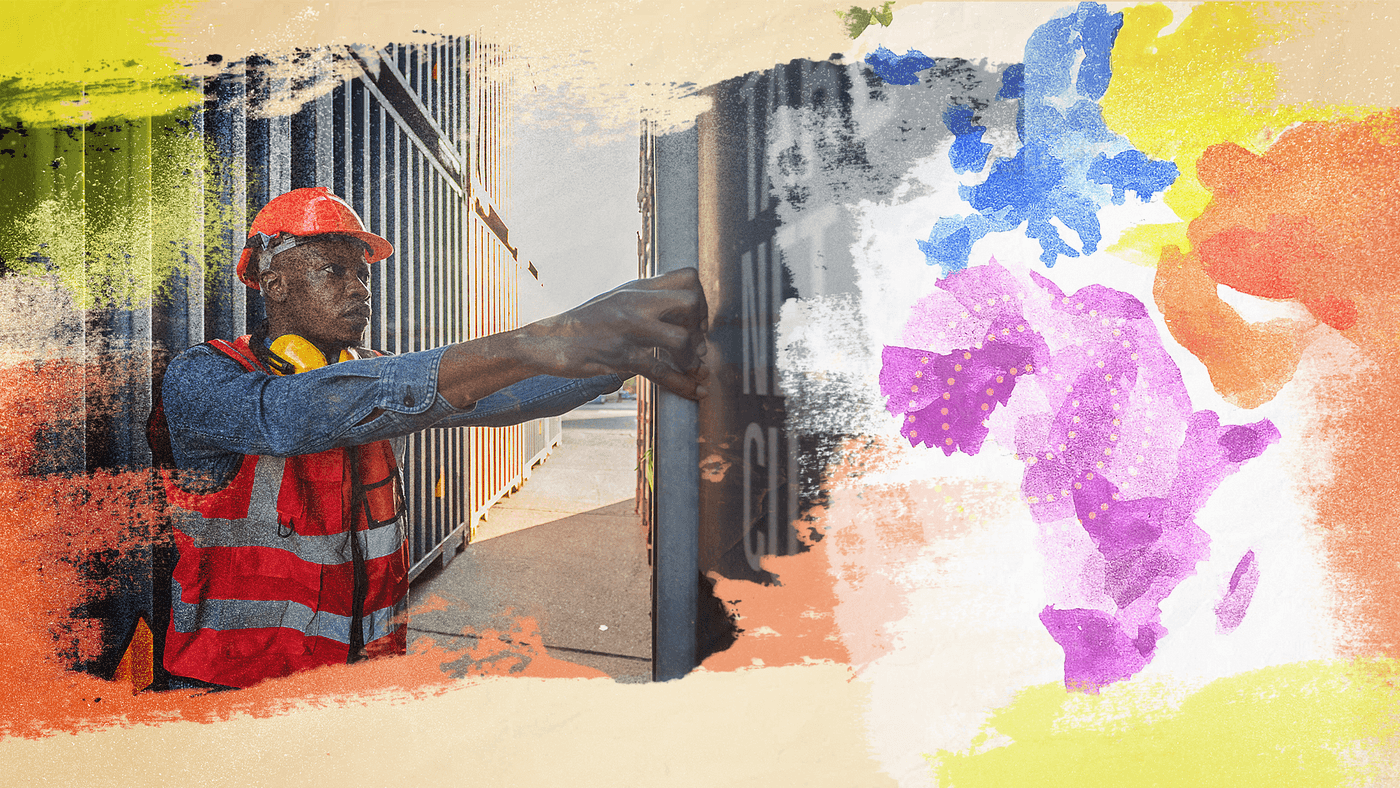
If there is one thing our storytellers prioritized in common, it was the urgent need to future-proof our supply chains because complacency or inaction will cost lives. Mukul Taparia reminded us that even a 30-year relationship is not a guarantee of safety — that things can go from perfect to a nightmare in one instant. Nelly Munyasia’s shared raw shock — you can prepare for one setback, but be caught off-guard by a completely different obstacle. Many programs are just one politically biased decision away from shutting down completely.
Resilience, reinvention, revival
But our storytellers also reminded us that our community is one of resilience, innovation, and solutions. We heard how supply chains are reinvented, reshaped, and revived to make them more human-centered, putting women in a place of priority. Private spaces in community pharmacies, clear messaging on social media, midwives’ homes turned into consultation rooms during the pandemic — our community has innovated so that women and girls can get the lifesaving products they need.
The importance of data
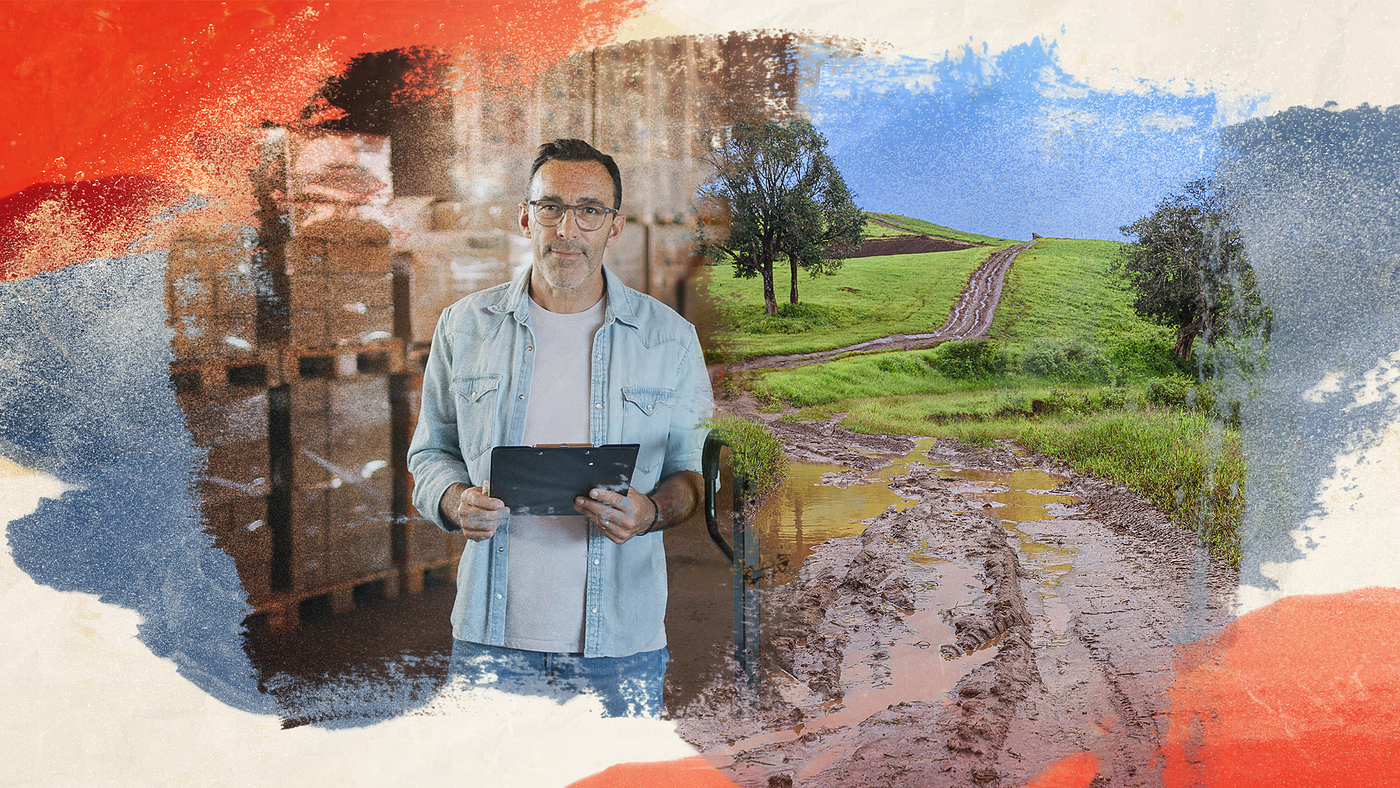
Nora Quesada remembered the transformative power of data visibility — even the so-called ‘primitive’ Excel spreadsheets sent through dial-up modems in her story from the 90s reduced expiration wastage by 40% in Mexico. And Cletus Adohinzin pointed to the Family Planning Visibility and Analytics Network — or the VAN — as the central mechanism for sharing data and ensuring coordination, helping Niger share its excess stocks of 40,000 copper IUDs with Nigeria.
The power of good data came across loud and clear, reminding me of an incident in my own career when I called on data to save access to reproductive health supplies for an entire country.

“Trust fuels everything — it is our collective currency.”
Martyn Smith
RHSC
In 2008, when I was working in Sierra Leone, my organization was expanding rapidly, and we needed to know exactly what was flowing into the country. It was a conversation with RHSC’s CARHs group — a forerunner to today’s Consensus Planning Group managed by the VAN — that helped my team see this clearly, and ensure there was product to meet the program.
Yes, data was certainly under the spotlight in Freight Expectations, but one element emerged as equally important — if not more so.

If data is the new oil…
Most of you here might have heard the saying ‘Data is the new oil’, popular for years now. But today, you’re more likely to hear: ‘If data is the new oil, then trust is the new currency’. Data powers modern supply chains, but trust allows data to be exchanged and used effectively. Trust fuels everything — it is our collective currency. Yasmin Chandani reminded us that while inSupplyHealth’s AI solutions proved phenomenally successful, acceptance and transition were gradual, and called on building … yes, trust.

Trust, flexibility …
Another element has fueled supply chains in times of crisis. What helped Yasmin’s community pharmacists in Kenya learn to administer injections, and branch out into a new service? What helped Mukul’s outfit break down pallets, make them up again, and repackage the same supplies seven times? In Mario Flores Alvarez’s story, what helped DKT bridge that private-public sector gap, spring into action, and deploy its cold‑chain infrastructure and network of 120 trained distributors to move millions of long-acting contraceptive doses within weeks?
What helped Peru’s female pharmacists in Nadia Olson’s story put their meager salaries into building a system the ministry would not invest in? In Mexico, what helped the doctors and nurses in Nora’s story step out of their comfort zones to learn about stock situations and inventory?
Yes, I’m referring to flexibility. Nora told us to “think like water” — adapting and working around obstacles. But flexibility is often fueled by something we have all reached within ourselves to find in this time of brutal adversity.
… and courage
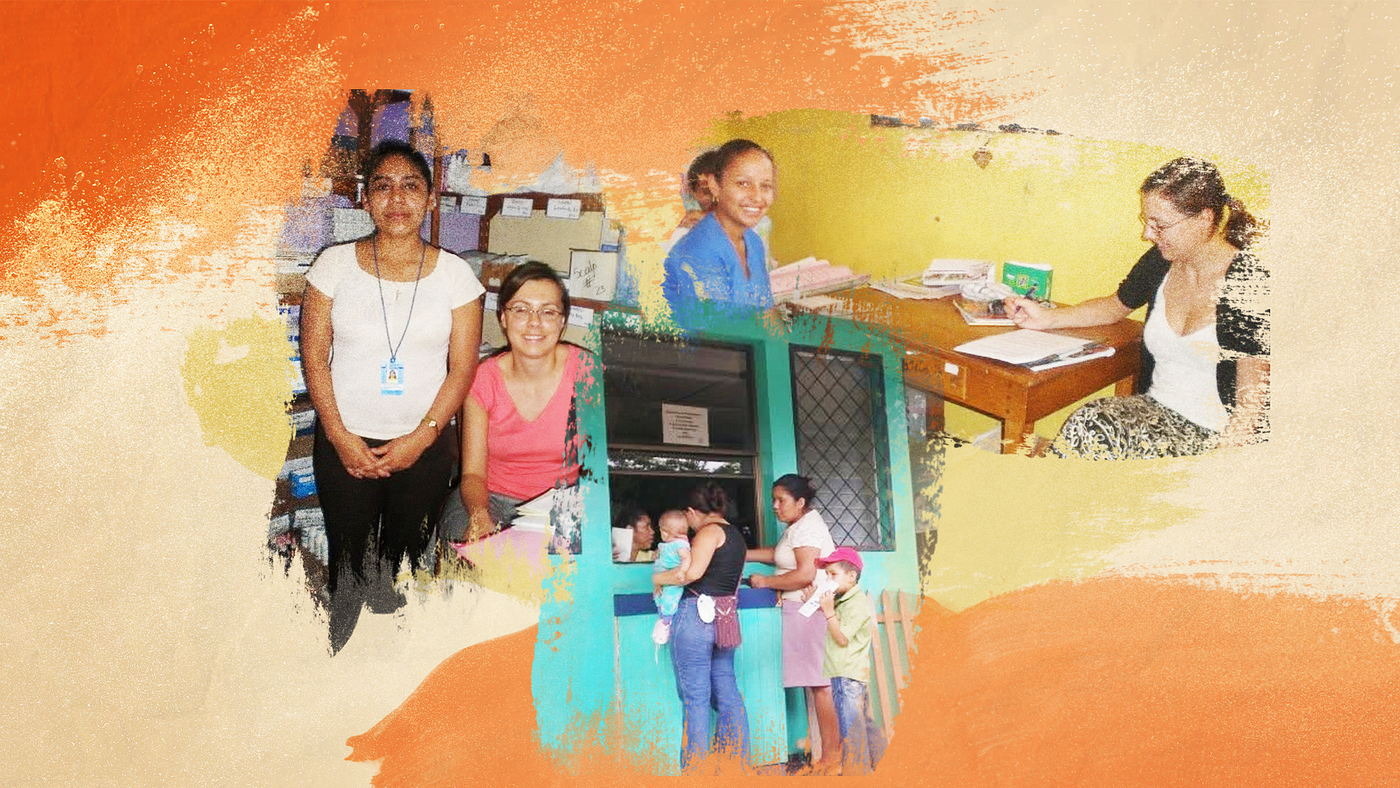
I am talking, of course, about the courage to pick ourselves up and keep dreaming and building. We cannot afford to discard that courage, because along with it, we would be trashing the future of millions of women and girls who want to prosper and thrive. This is moral courage. We are here because we believe in what we do, and we believe in a future where health equity is not a pipe dream. It can be achieved.
Three things
As we bring our Freight Expectations supply chain stories to an end, I call upon you to do three things.
- The first: if you’ve missed any of the eight blogs, catch up here for stories of faith and bravery.
- The second: Keep your courage in good supply. The RHSC has been building and nurturing trust-based relationships for more than 20 years. We are here to support you, make crucial connections, and offer you the alchemy of collective action.
- The third thing I ask: keep telling your stories. They are formidable agents of change that blast doubters out of the water. I thank my wonderful storytellers for their honest, unflinching, and powerful stories.