


An interview with Priscila Celis, LAPTOP Scholar
What inspired you to enter healthcare supply chain work?
I was studying to become a pharmacist, and I realized that stockouts of critical reproductive health supplies have long-term impacts on the lives of women and girls. I could see clearly that reproductive health is a right that should be guaranteed by efficient public management. It is equally important to ensure quality medical supplies on the one hand and access to public health services on the other. One cannot work without the other, so a comprehensive approach to public health is crucial.
What do you do today?
I’m a pharmacist by profession and I have specialized in Public Health and now in Supply Chain Management. Currently, I am the Executive Director of the Medicines, Supplies and Drugs Department and the Head of the Health Surveillance Control Office at the Integrated Healthcare Networks Division (DIRIS) of Southern Lima, which includes 148 healthcare centers and 2 hospitals in 13 districts of Peru’s capital.
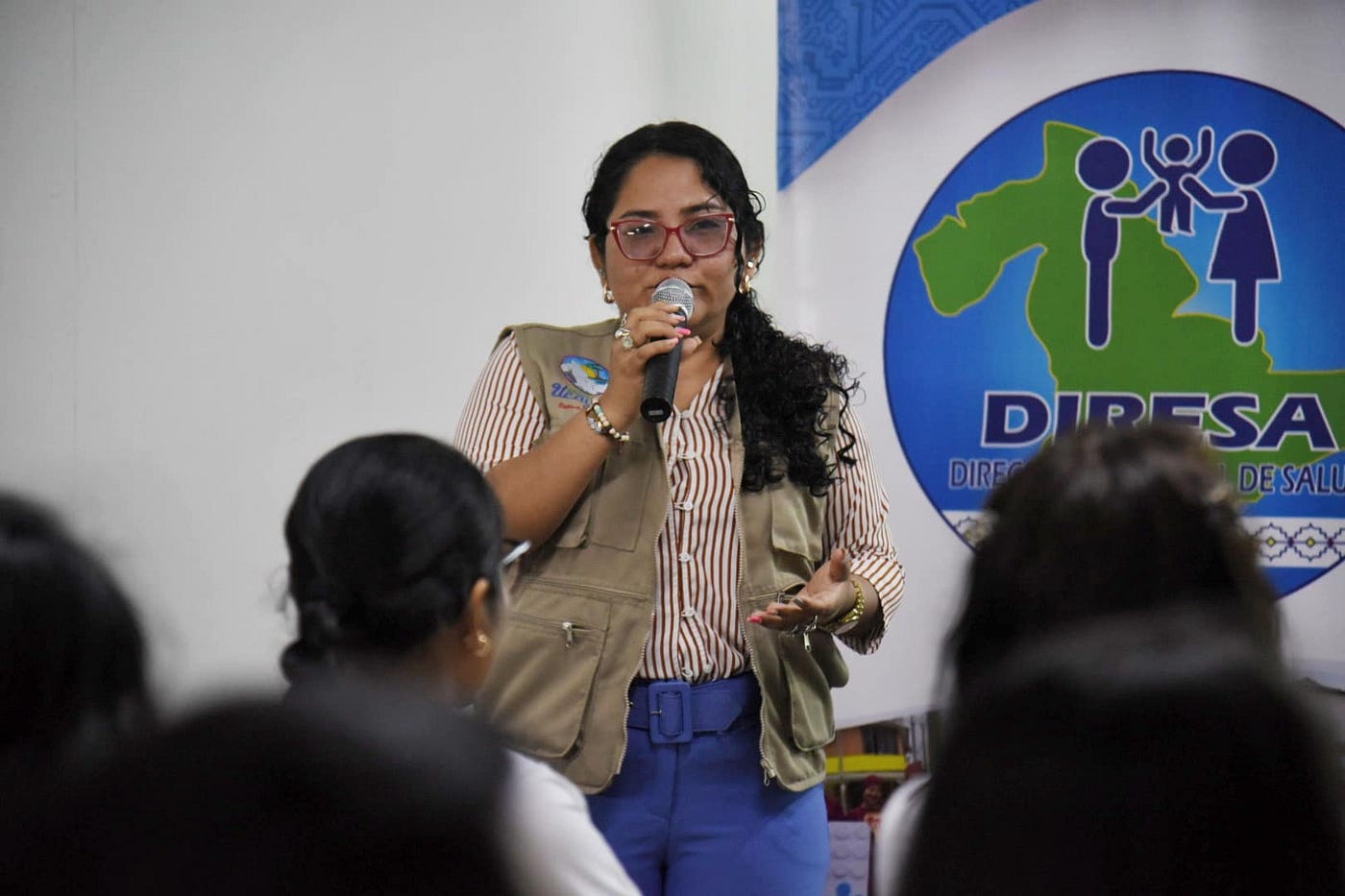
In my current position, I lead health supply chain management and oversee the monitoring and regulation of medical supplies and devices, with dedicated oversight of sexual and reproductive health supplies, to ensure quality, availability, and safety for public health users.
I lead monitoring and oversee actions by inspecting public and private pharmaceutical establishments, ensuring compliance with national regulations on Good Storage Practices and Good Pharmaceutical Practices. I coordinate with the inspection team to respond immediately to health alerts issued by the General Directorate of Medicines, Supplies and Drugs (Digemid) of the Ministry of Health regarding observed products. Working with my team of inspectors, we cover 1,810 public and private establishments.
What supply challenges does Peru face?
Peru still faces significant gaps in access to supplies, particularly in regions outside the capital, and these gaps are exacerbated by limited access to services and information.

I have worked not only in Lima, but also in other regions such as Ucayali, Huanuco and Loreto, each with its own challenges. When I applied for a LAPTOP scholarship I was Director of the Medicines, Supplies and Drugs Department in Ucayali, a vast region in the heart of the Amazon rainforest, with muddy terrain, periods of extreme heat, and obstacles such as fallen logs, ravines and roads that sometimes disappear into rivers. To get to Atalaya, it takes approximately three days by boat or an hour and a half in a small plane. I needed to implement a good logistics system that complied with good storage and transportation practices. Staff had to be well trained in these practices and have clear protocols to follow.
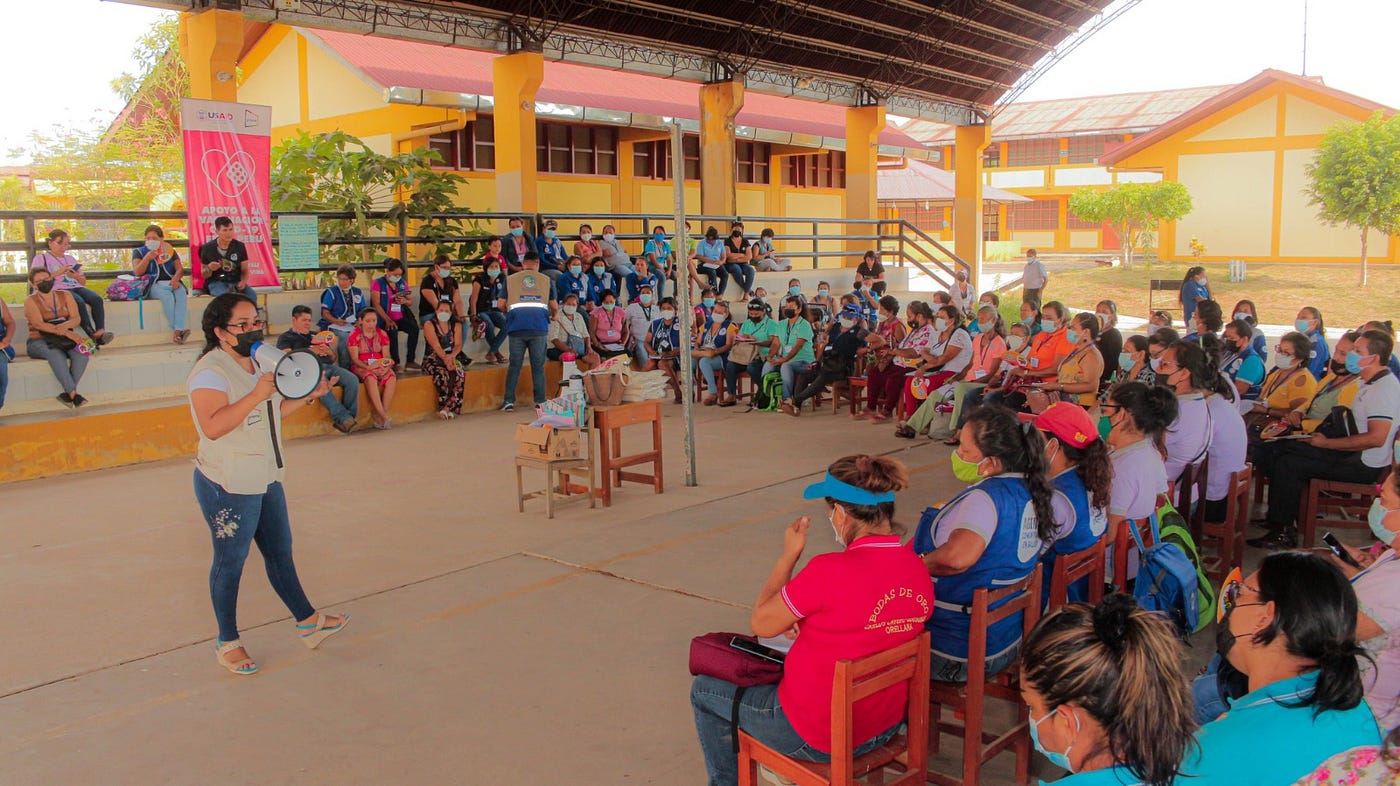
We also focused on getting products and services to vulnerable populations. Ucayali is home to several indigenous peoples and in order to reach them we had to work in partnership with indigenous leaders, communities and civil society organizations with field experience. When you want to enter an indigenous community, you cannot do it on your own. It is necessary to have the permission and support of the Apu (leader) and provide information that is culturally appropriate for each indigenous community and in their own language.
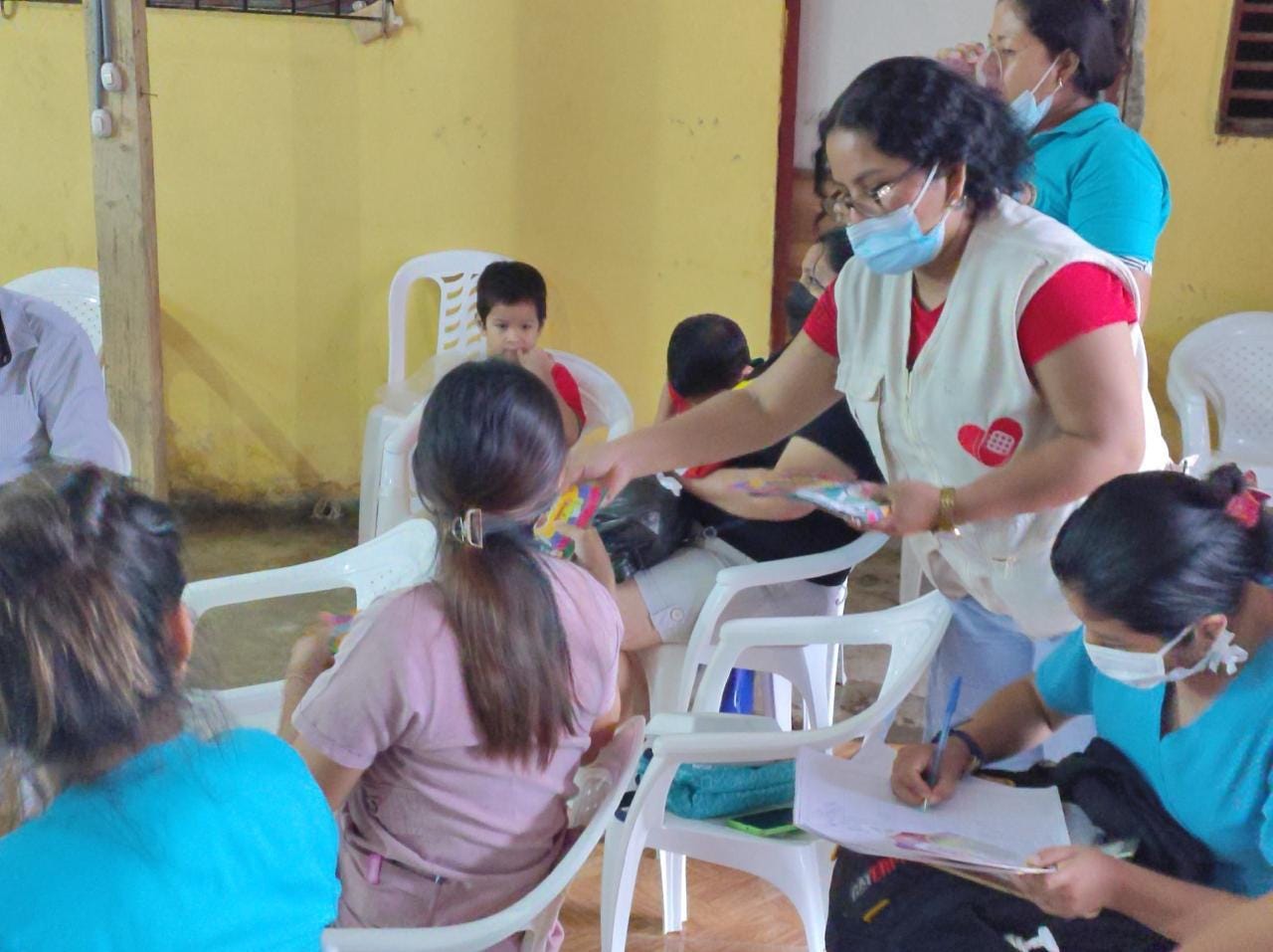
I believe deeply in getting directly involved. You have to step away from your desk and go out there and walk with the people. I visited several indigenous communities, raising awareness with a clear message. Those were long days, but I liked being out there more than behind a desk. This experience has allowed me to learn first-hand the reality of people, how they live, and what it means to lack access to key supplies.
How did the RHSC Laptop Scholarship help your career?
This course has allowed me to technically structure the knowledge I had gained from experience. Before I applied what I knew in a fragmented way. Then, I gained a comprehensive approach to supply chain management. I learned how to plan supply, manage inventories strategically, monitor the performance of key indicators, apply financial logistics, risk management in supply chains, inverse logistics, etc. Now, I can analyze supply chains as a comprehensive system, from supply planning to user distribution.
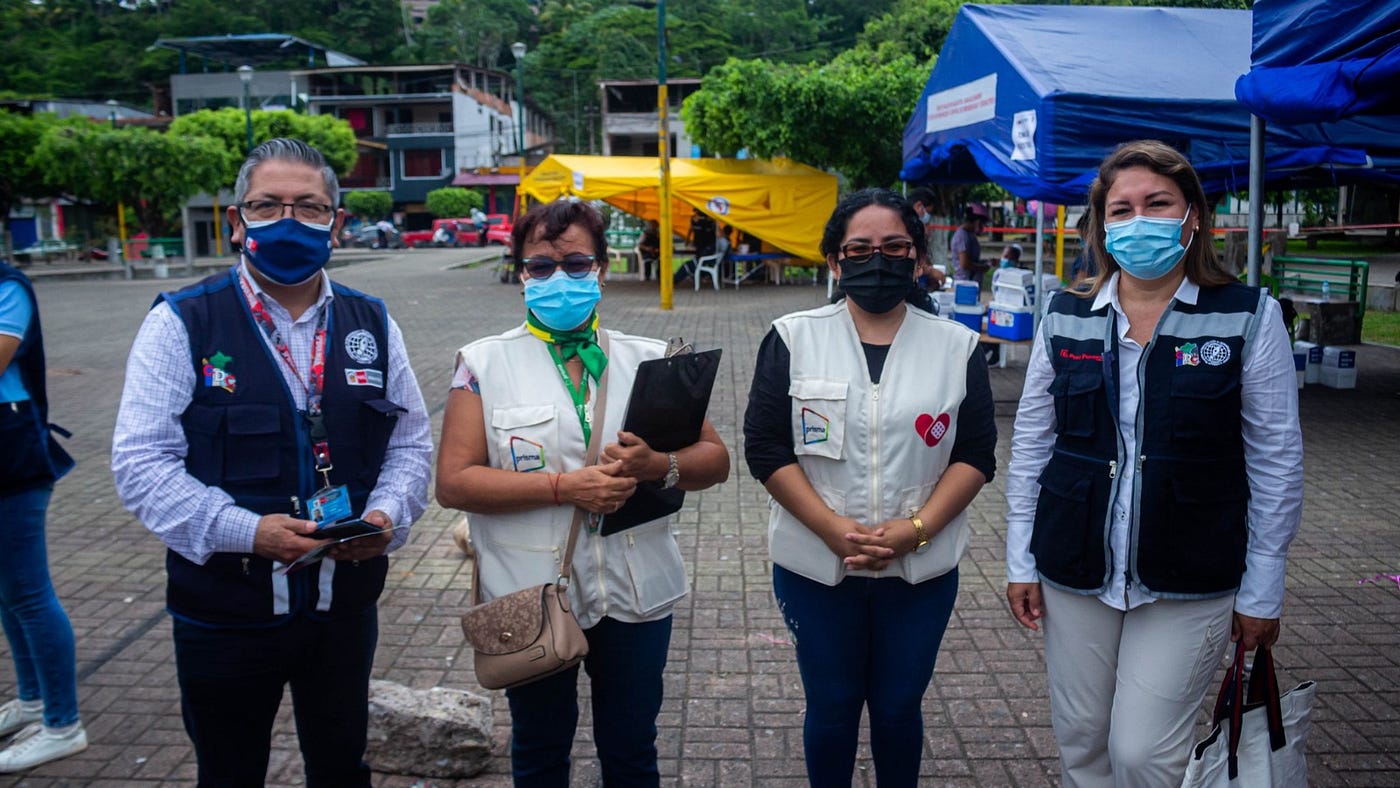
Thanks to this course I was able to strengthen my technical leadership. Today, I make decisions based on data and indicators, which makes my team more confident. I am able to coordinate better and implement a preventive approach to supply chain management instead of reactive one. For example, I use supply planning to prevent stockouts, making a better analysis of real needs.
What is your hope for the future?
I dream of the day that every woman and girl can exercise her reproductive rights — not just in our country but the world over. I want to contribute my knowledge because a well-managed supply chain saves lives.
From my role and wherever I am, I will keep contributing by raising awareness and giving technical advice to strengthen public health, especially for vulnerable populations such as indigenous peoples. They have the right to information and to have timely access to quality supplies.