
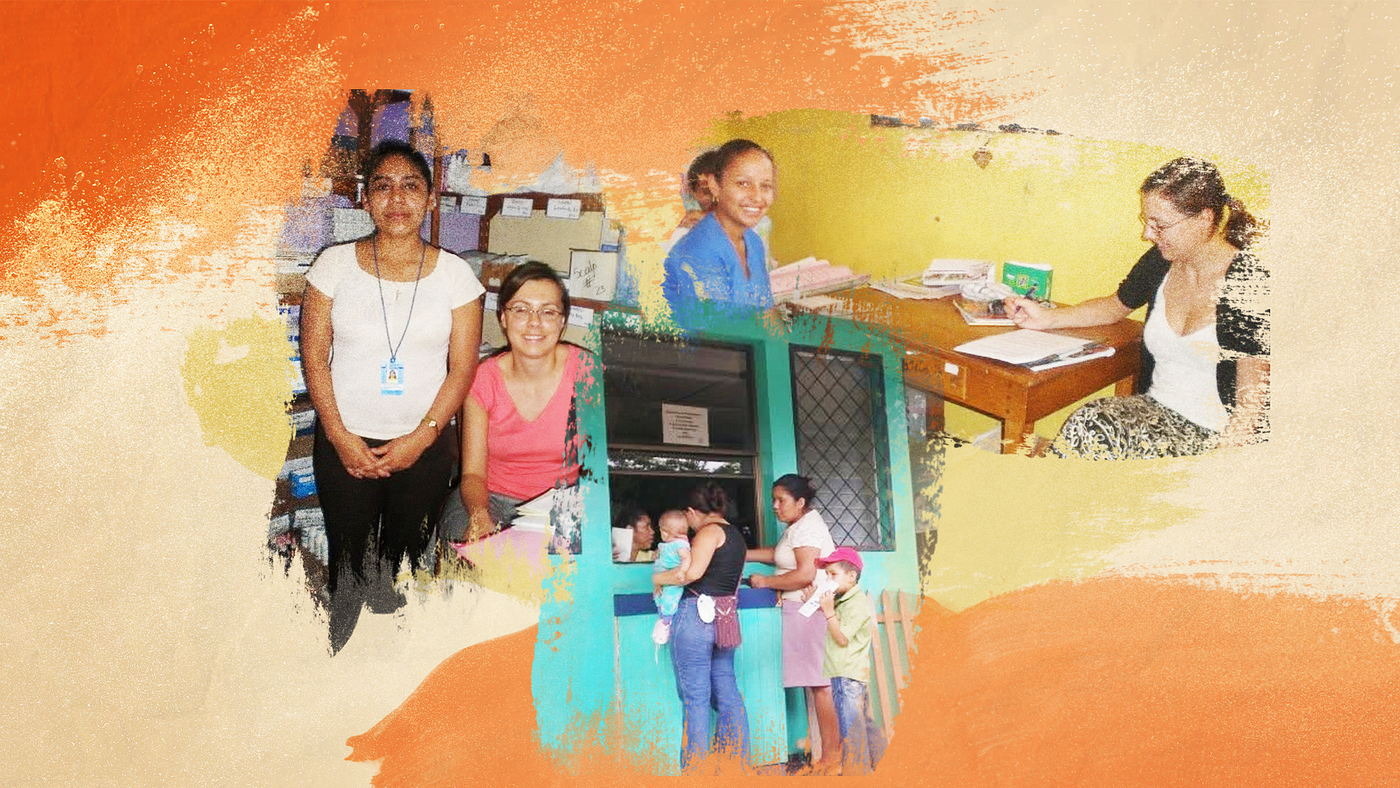


I’ve worked in reproductive health and family planning for more than 20 years. Working with countries and communities to help expand innovative health programs globally, I’ve witnessed extraordinary stories of women in leadership. These stories emerged not in boardrooms or conferences, but in quiet moments of trust and collaboration — over lunch conversations, or long truck rides along rugged and dusty roads, or on the floor counting medicines in hot inventory rooms, or treks into far away communities. I’ve two of the most beautiful stories to share here to show that women transform health care systems against all odds, and ultimately, how they helped sustain me through my own crisis.
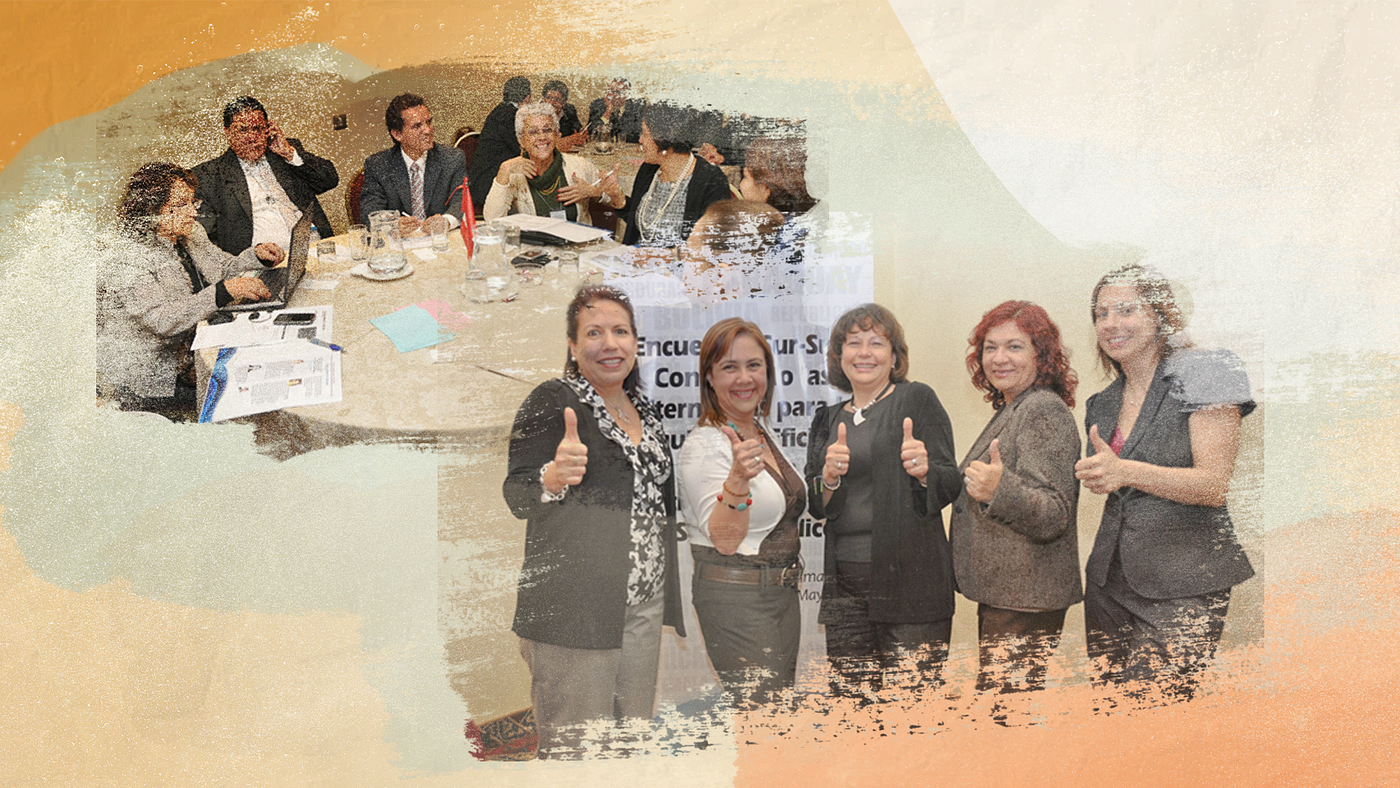
My first story is about The Pharmacists’ Revolution in Peru
In the corridors of Peru’s Ministry of Health, I worked with a team of female pharmacists who held positions of authority and expertise that I respected, but it was only after we had built deep trust over years of collaboration that they revealed their incredible backstory to me.
Years earlier, they had worked as low-level logistics functionaries with minimal authority, overshadowed by the male doctors who controlled the institution. Despite their expertise, these women had little voice in decision-making. But they saw what their superiors missed: the ministry desperately needed a management information system to effectively manage their health commodities.

“Women transform health care systems against all odds, and ultimately, they helped sustain me through my own crisis.”
Nadia Olson
With determination born from frustration, they had organized themselves and made an extraordinary decision. Each month, they pooled money from their own pockets — from their already meager salaries — a significant sacrifice for women earning so little. With these funds, they worked with student developers to build the pharmaceutical management information system the ministry needed but wouldn’t invest in.
Their grassroots innovation became the backbone of the Ministry of Health’s supply chain management system, saving money and dramatically improving supply chain efficiency. Through this strategic investment in technology, these women didn’t just solve a problem, they transformed their own positions. The system they created gave them the authority, expertise, and influence they now held. Over time, they rose through the ranks, eventually becoming ministry leaders. In the ultimate vindication of their vision, one of these former low-level pharmacists became the Minister of Health herself.
While Peru’s pharmacists worked within existing systems to create change, halfway around the world in Yemen, women were building health care from the ground up in places where formal systems had collapsed entirely.
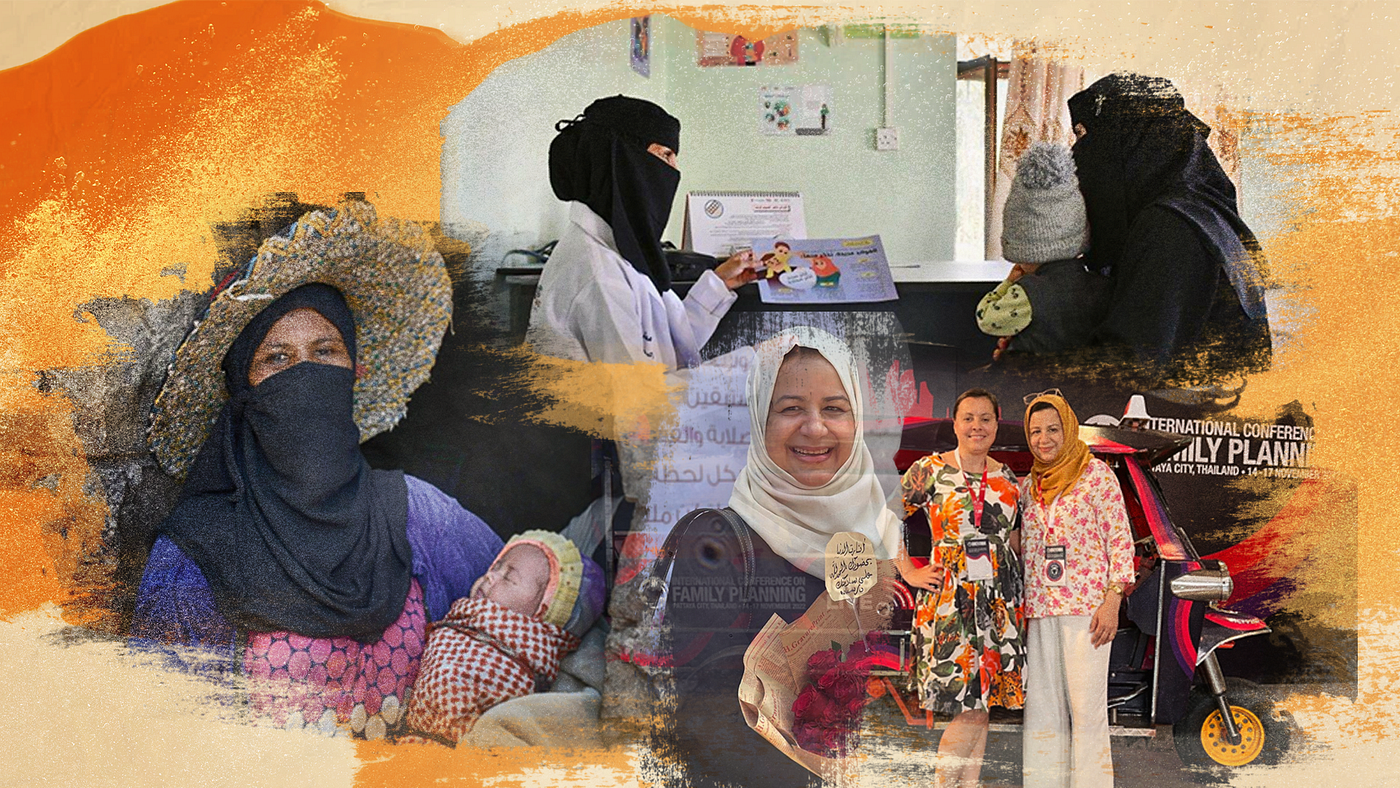
My second of three stories is about frontline care in crisis, and Yemen’s community midwives
In Yemen’s remote areas, where conflict has devastated health care infrastructure, community midwives often stand as the only health providers available: no doctors, no nurses, just these dedicated women serving their communities. Their story is one of persistent presence through repeated abandonment.
These midwives have weathered cycles of support and withdrawal long before the current crises. Even before the latest war and budget cuts, they experienced interruptions in support that left them to serve their communities alone. When war erupted, support disappeared entirely, only to eventually return little by little.
“Their clinics became beacons of hope in areas forgotten by formal health systems.”
Nadia Olson
Over time, my colleagues on the Yemen team and I came up with the innovative idea of home-based clinics. The community midwives received equipment, commodities, and training to establish these clinics, transforming their homes into lifelines for their communities. These female leaders provided essential care at the grassroots level, serving populations that would otherwise have no health care access at all. Their clinics became beacons of hope in areas forgotten by formal health systems.
One of my team members, Suaad, who had been there through all these iterations and all the interruptions, eventually achieved the remarkable feat of becoming Director of USAID’s very large — and only — development project in Yemen. This took enormous effort. Seeing a woman in this role was the highlight of my career, which had never happened before for such a large project.
When the Trump administration cut funding in 2025, it was a familiar blow. These vital services faced extinction once again. But the midwives continue providing care on their own, charging nominal fees when possible, driven by commitment rather than compensation. Suaad is still there. Like me, she has two sons who are so proud of their mother’s beauty and strength and insistence on staying home to weather this latest storm together with the midwives. We will all work together in Yemen again. In the meantime, we will sustain our sisterhood.

And now, my own story, about myself.
After losing my position in that same wave of terminations, it was not easy to find a pathway forward. Throughout my struggle, I kept these women in mind — the pharmacists in Peru, the midwives in Yemen, Suaad, and other leaders in so many countries throughout the world. Their stories gave me courage and helped me understand that the work is not attached to any single institution. It belongs to all of us who have been working together all this time.
Throughout these months, my two sons, Mateo, sixteen, and Xavier, twelve, have been cheering me on. They’ve tightened their belts with me and have shown genuine interest in what I am doing to find a way forward. My father Carl has held my hand through this difficult time. My mentor David, who had also been my boss during the early days of this work, came looking for me so we could create something new together. This network of male support alongside all these stories of resilient women has helped give me the foundation to flourish.
“Like so many of us, this wasn’t my original project for 2025, but sometimes life pushes you to do what you’ve been imagining.”
Nadia Olson
I finally landed consultancy work through several new mechanisms I’m building, one of which I’m building with David called Vital Supply Chain. This new organization will bring health supply chain expertise closer to the people who need it, equipping the experts of the past with technological tools and AI know-how to directly support people on the ground to develop those skills themselves. The other my own consultancy, aptly named Crossroads Consulting that helps us navigate today’s complex global health challenges. Like so many of us, this wasn’t my original project for 2025, but sometimes life pushes you to do what you’ve been imagining.
Finding this path forward has been deeply meaningful, not just professionally, but personally, in the midst of all of the grief and turmoil. The most beautiful moment came from my big boy Mateo. He told me he never doubted that I would find a way forward — just like the women in these stories. Stories he had heard many times before. And here’s a little secret: throughout all those months, many times I overheard him whispering this to his little brother Xavier, which lifted me along my way, before he eventually told it to me, “Don’t worry Xavier, Mama will find a way through, it’s Mama. She is great and, she has so many people that want to help her, like grandma and grandpa.”
These stories illuminate that whether we’re transforming institutions from within, building healthcare from the ground up in places where formal systems have collapsed, or rebuilding our own lives after loss, the same principles apply: presence, innovation, community, and the unwavering belief that meaningful work, creativity, and love among us transcends any single job title or setback (no matter how enormous). It won’t fix the wrongs and the losses, especially in the poorest, most fragile places; but we won’t be torn apart as long as we live and have minds and hearts to weave together to help every single one of us to find our footing again.