
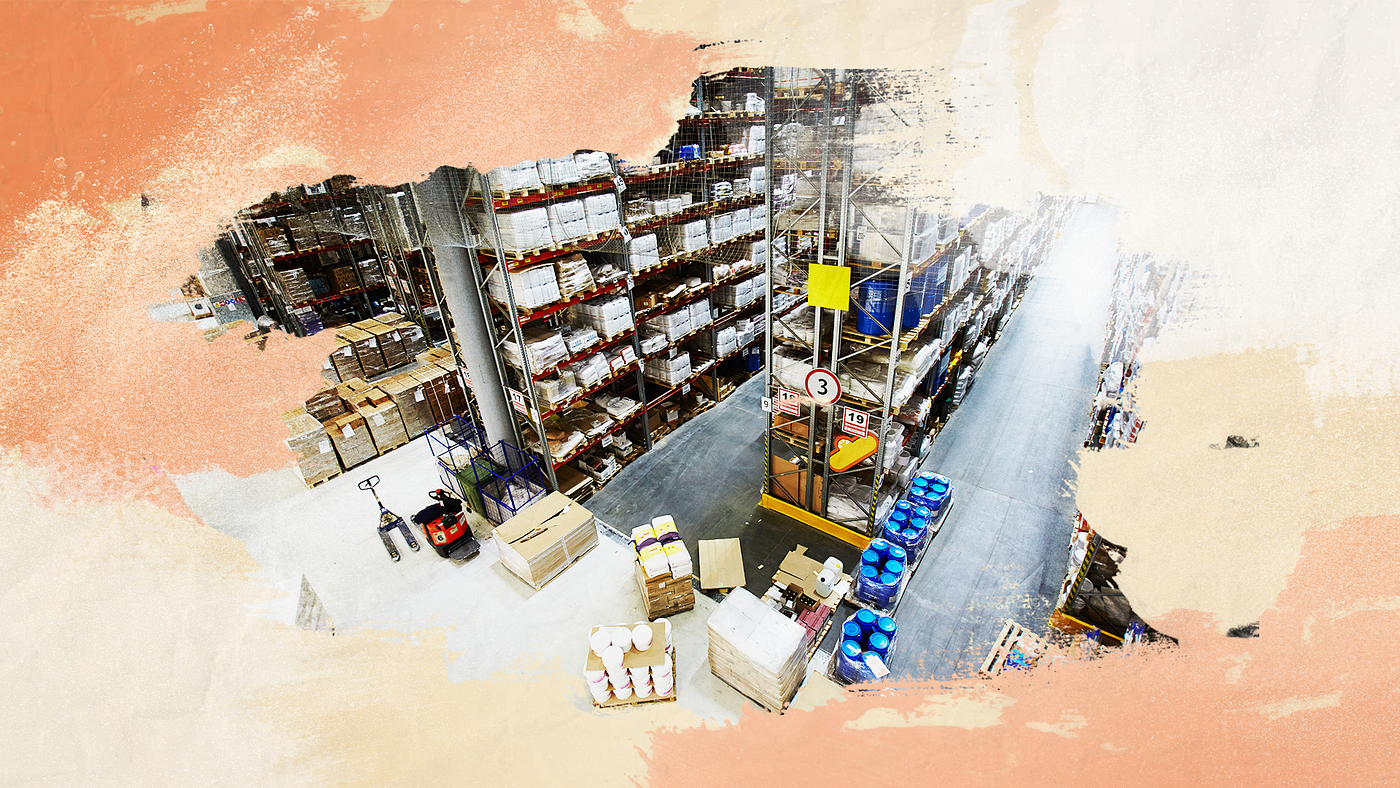


Pregna International is based in India and is a leader in manufacturing and supplying reproductive health products globally, supplying IUDs to more than 140 countries, the majority of them being low- and -middle-income countries.
For more than 30 years Pregna has enjoyed great working relationships with major donors such as UNFPA, USAID, the Gates Foundation, FCDO, anonymous donors, and Social Marketing Organizations, and with our private distributors.
Because pharma companies work in complex, uncertain environments, we are very good about our due diligence and risk assessments — they’re a key part of how we plan and make decisions. We keep a close eye on market conditions and government policies to spot threats early. We regularly run “what if” scenarios, stress tests, and contingency plans.
Early this year, things were looking calm, and we were prepared for any reasonable eventuality. But nothing could have prepared us for the absolute chaos that we were plunged into. It was the 20th of January. Someone had read on X that the USAID program had been frozen and was under evaluation.

“Who believes in social media announcements, we thought. So, we dismissed it. After all, Pregna had enjoyed a 30-year relationship with USAID — we had been the sole supplier of IUDs to the program for a long time. We were partners. We understood one another. Nothing bad was going to happen. Not to us, anyway.”
Mukul Taparia
Pregna International Ltd.
We had orders in the pipeline with some goods ready to be picked up by the freight forwarder and some other goods in the manufacturing department. But the freight forwarder was delaying the pickup. “What was holding them back?”, we wondered.
A few days later we received an e-mail from USAID’s Procurement and Management Team saying that the orders were “on hold”. We were worried, but we were assured that it was only a matter of time for the hold to be lifted. After all, what can be a more safe and reliable order than one coming from USAID’s implementing partner, right?
But that was the beginning of a slowly unfolding nightmare. With each new day of inaction and silence, our hope dwindled just a little bit more — days went by with no responses. Nobody responded to our emails. It was complete silence!!!
Now everyone was scared. People were unsure about their jobs. The order and the contract were canceled. We had no idea what would happen to these goods.
We were in a state of shock. We were angry. We were evaluating our options. We were advised to seek legal action, but we soon realized that the contract provided for cancellation without recourse. I never thought this clause would be applied in my lifetime.
We started looking for other customers who would be able to receive the goods.
Door-to-door prospecting
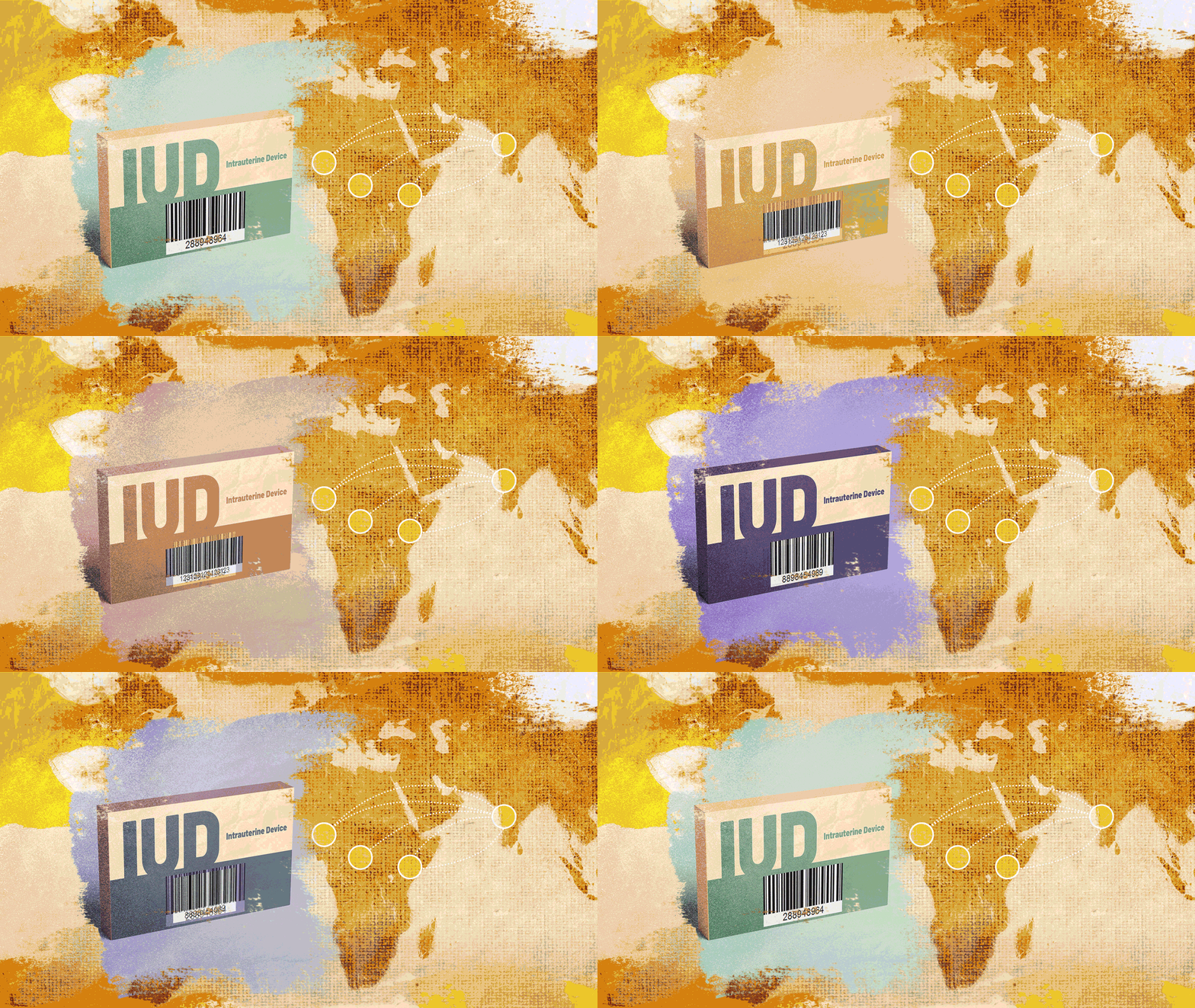
USAID had a specific requirement for shelf life and labeling that did not match with the other requirements. The original goods were destined for the Democratic Republic of Congo (DRC). We convinced a private customer in DRC to receive these goods, and they seemed agreeable. In our enthusiasm, we went ahead and re-labeled the boxes for the new consignee. A big mistake. The brand registered with the consignee was different and they were not able to accept the goods.
Discussions started with customers from other countries, but each passing week increased our desperation. The goods were clogging up our warehouse with no visibility of where it would go. We received a confirmation that Kenya could receive the goods. We re-packed and re-labelled again. However, the USAID funding cut had created other issues. Kenya’s family planning budget had to be diverted to other emergency medicine procurement.
Back to square one, the team started working on breaking down the quantity into smaller volumes to ship it to multiple countries. The factory was advised to break the pallet, but we had limited success.
The story went on and on. Then one day, UNFPA agreed to receive these goods in Nigeria. By this time the factory had given up on the marketing team and our exasperated plant manager called me and asked — “Sir, are we really sure this time?”. I could only respond by saying — “We hope so…”.
Delivery eight months down the line
The goods finally shipped in mid-September 2025, eight months after the original planned shipment.
We have invested in these products for more than a year now. Have we made a profit? After seven repackagings? It is not likely. But we are relieved that we have served the women who are in need of these IUDs. These products stand to generate more than 1 million CYPs, yet went through unimaginable delays, beyond anybody’s imagination.
What have we learned?
- Standardization of product labeling across various geographies and countries can go a long way in mitigating risks
- It’s not done till it’s done. Until that moment when you get your product to the final consumer’s location, you need to be on your toes tracking every movement and every step.
- Visibility, predictability, and forecasting continue to be key areas to strengthen within the supply chain.
Looking back, I realize now that it took us quite a long time to realize just how harsh things really were, and how badly our community would be impacted, not least the end users.
In the next installment in this series, we will hear from Nelly Munyasia in Kenya, who will tell a different story. Civil society was well-prepared, and ready for potentially negative impacts as soon as the result of the US election was announced. But even in Kenya, in that same month of January, many were devastated by the executive orders that paused and potentially cut all funding assistance. However vigilant they had been, Kenyan advocates were still not ready for the brutal reality.
“This experience has opened our eyes. While this was an unprecedented, unexpected event, we realize that with the COVID-era experiences and the volatile geo-political situation, the supply chain continues to remain fragile.”
Mukul Taparia
Pregna International Ltd.