


It was January 2025. My colleagues and I had returned to work after the holiday break, and we were deep in work plans and targets. Our advocacy agenda had focused on the outcome of the U.S. elections — a topic trending in all sexual and reproductive health (SRHR) spaces. The focus was mainly on the anticipated reinstatement of the Global Gag Rule (GGR). Strategies were taking shape around how to counter the negative impacts of the GGR. Everyone predicted this. Everyone was prepared for this.
The order included immediate suspension of all foreign assistance from the U.S. issued to all implementing partners.

“What they didn’t anticipate was the Executive Order, requiring a 90-day pause on foreign assistance. Someone needed to clarify what this meant because there was no precedent, no preparation, no planning or language to explain this in a way that would make sense.”
Nelly Munyasia
What did this mean for Kenya?
Kenya is ranked the 5th highest beneficiary of U.S. assistance, having benefited for about 60 years. It is estimated that between 2001- 2024 Kenya received about $1.26 trillion worth of funding from the U.S. government. Among the programs funded were family planning programs in partnership with UNFPA and HIV programs through PEPFAR.
As of 2024, approximately 6.43 million Kenyan women were using a modern contraceptive method, preventing an estimated 2.42 million unintended pregnancies, averting 602,000 unsafe abortions, and saving about 10,000 maternal lives. The freeze stopped the delivery of life-saving HIV medicines and prevention services that impacted many Kenyans, although in February PEPFAR was granted a limited waiver to resume ‘urgent lifesaving’ HIV treatment. What about all other cases? What about contraception and access to reproductive health services? Thousands of women in Kenya lost access to essential reproductive services including family planning and contraception services.
Before all the interventions around HIV and reproductive health services, the landscape was dire. Women and girls sought services from quacks peddling mystery potions supposed to terminate pregnancies, there were high numbers of maternal deaths due to substandard abortions and complications during birth, and backstreet practitioners used brute force on women’s bodies in attempts to terminate unintended pregnancies. We were in danger of returning to this horrific scenario.
What could we do in this post-USAID landscape?
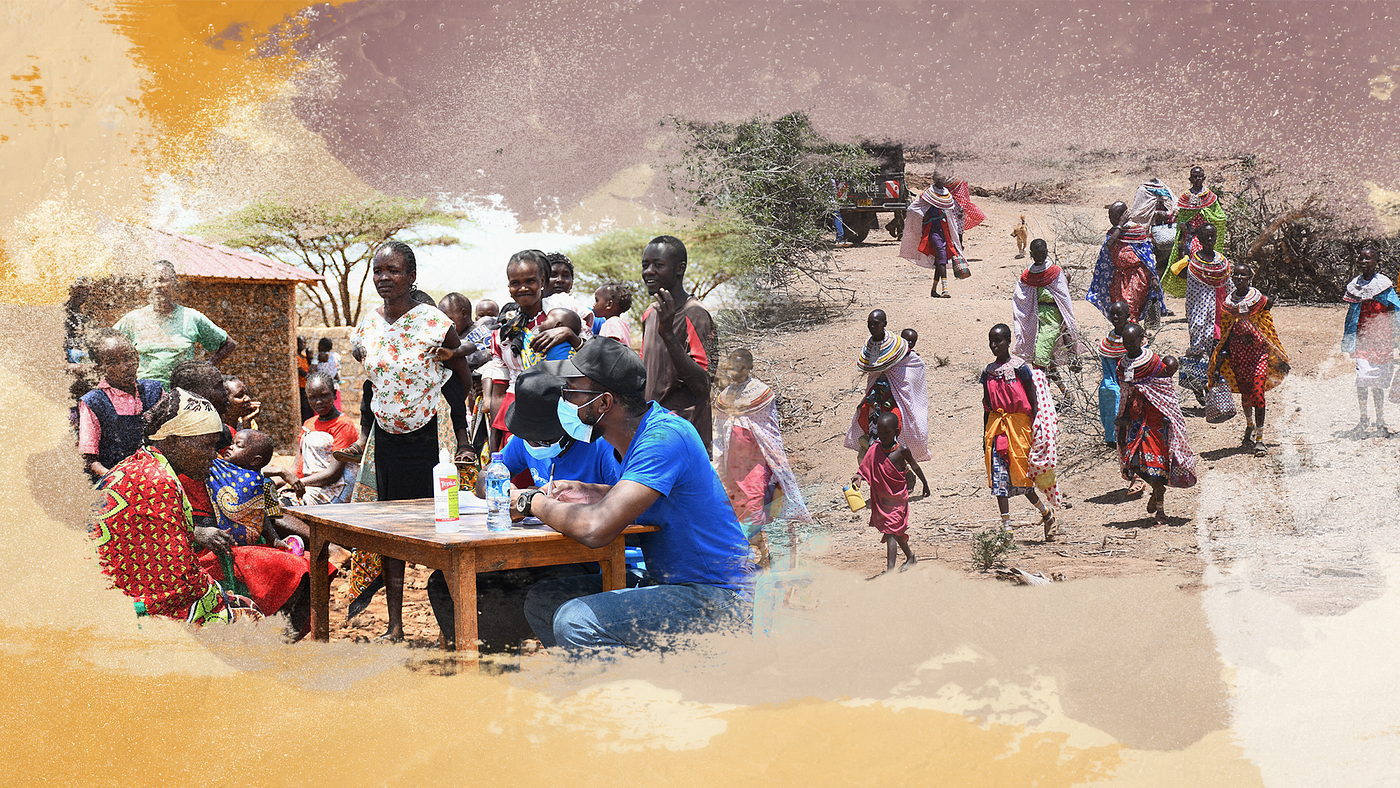
The Reproductive Health Network Kenya (RHNK) came up with interventions to mitigate the impact, serving as a link between the government and the community by providing redistribution channels of commodities to communities in need and facilities serving low income and marginalized communities. RHNK, through its social enterprise, ensured availability of commodities and ascertained distribution through the regional data clerks and private healthcare providers present in 44 counties. RHNK also trained providers on Hormonal IUDs — a long-acting method that is gaining popularity as an alternative method of contraception. Through IPPF Commodity Funding, RHNK conducted outreach in affected communities and provided free reproductive health services including contraception. This serves as a humanitarian intervention because the gap left by USAID is in fact a humanitarian crisis. UNFPA has also come in to support with FP commodities and ensure that we are still contributing to last mile assurance.
These efforts certainly cater to target communities but still, cannot possibly serve the needs at national level.
This is reactivity. What about proactivity?
The funding cut has exposed serious gaps in our supply chain. It has revealed just how much we are donor-dependent for essential services that are lifesaving. It has shown how many of our programs lack sustainability and are one politically biased decision away from shutting down completely.
It is time for us to unite as public, private, and non-governmental and come up with sustainability models that go beyond governments. That go beyond donor funding.
- The government can align their human resources and hire the PEPFAR-supported healthcare providers and community health promoters through the county governments to ensure continuity of quality service provision by trained personnel.
- The Total Market Approach is one way forward, guided by the principle that every sector has a role to play in ensuring access to health products and services for all. Regardless of ability to pay, we can achieve access to services as well as sustainability through local resource mobilization and continued financing such as public sector partnership with social enterprise models like RHNK. This would contribute to strengthened health systems that will serve as insurance whenever there are sector interruptions such as the USAID funding freeze.
- Investing in regional collaborations and commodity stock will help with filling current supply chain gaps, stabilizing prices and ensuring continuous distribution of the commodities.
- Ensuring long-term legal sustainability is essential. We need laws that remain in force regardless of political leadership and protect future generations. These laws should require minimum funding levels for contraception and HIV services at both the county and national levels, so support continues beyond political cycles.
We cannot continue taking steps that can be undone overnight. So, let’s strategize on how to serve women and girls more efficiently, despite the opposition.
“And let’s focus on surviving, whatever happens.”
Nelly Munyasia