


Empowering a New Generation with RH Options
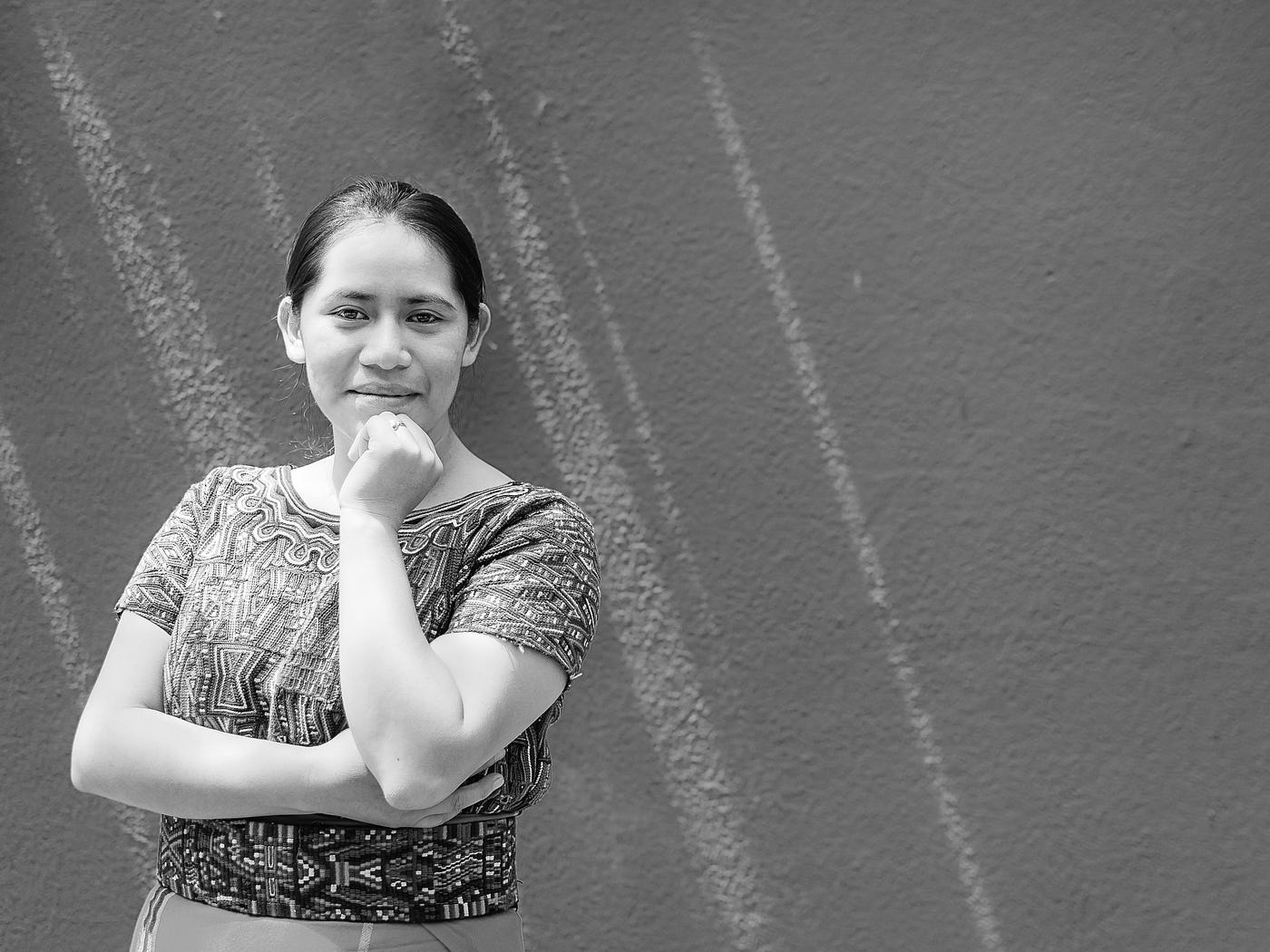
Ana Gómez grew up in Pulay, a small rural village of Nebaj, Quiché, in the northern part of Guatemala. There, Ana witnessed the suffering caused by lack of reproductive health supplies. In Quiché, 48 women died during childbirth in 2013 alone.
Working out of a small office next to Nebaj’s medical clinic and school, Ana takes advantage of opportunities to educate adolescents about their reproductive health and their options. She believes that providing reproductive health information is critical to shaping the future of Quiché’s young population, but she finds that it is frequently difficult to ensure access to the products her community needs.
This results in a complete loss of faith and trust.
Too often she educates about methods of contraception and product options, only to find that those choices are not available in Quiché. “This results in a complete loss of faith and trust,” she says. That is why Ana, together with the Women’s Network, works with Guatemala’s Ministry of Health to advocate for a better system to bring RH medicines and supplies to remote areas like Nebaj. They are working towards a future where the people in Nebaj have the same range of choices as those in Guatemala City.

An individual’s need for contraception evolves throughout his or her life cycle and is a function of both psychosocial and physiological factors. The ability to access the “right” contraceptive method increases the likelihood that one’s RH needs will be met; a mismatch, research shows, is more likely to lead to dissatisfaction, lower continuation rates, and often method failure.
The Coalition’s contributions to contraceptive commodity and reproductive health supply security are founded within a solid base of four strategic pillars — Quality, Equity, Choice and Availability. This series of profiles and interviews aims to celebrate Coalition members and partners who actually do the work in supporting our issues.