


Laurd Divin Nkounkou explains how a national advocacy network in Congo-Brazzaville is fighting to put its forgotten country back on the map
Activists in Congo-Brazzaville are aware of a paradox at the heart of their country, where reproductive health (RH) statistics are sobering. The maternal mortality ratio is 436 per 100,000 live births against a 2030 target of 70.[i] Modern contraceptive prevalence is low, at 30%. Teenage pregnancies are at 26%. Yet, Congo-Brazzaville is a country largely ignored by donors committed to improving SRH in LMICs, whereas other countries in similar economic circumstances such as India, Angola, and Haiti receive considerably more funding.
Fighting back
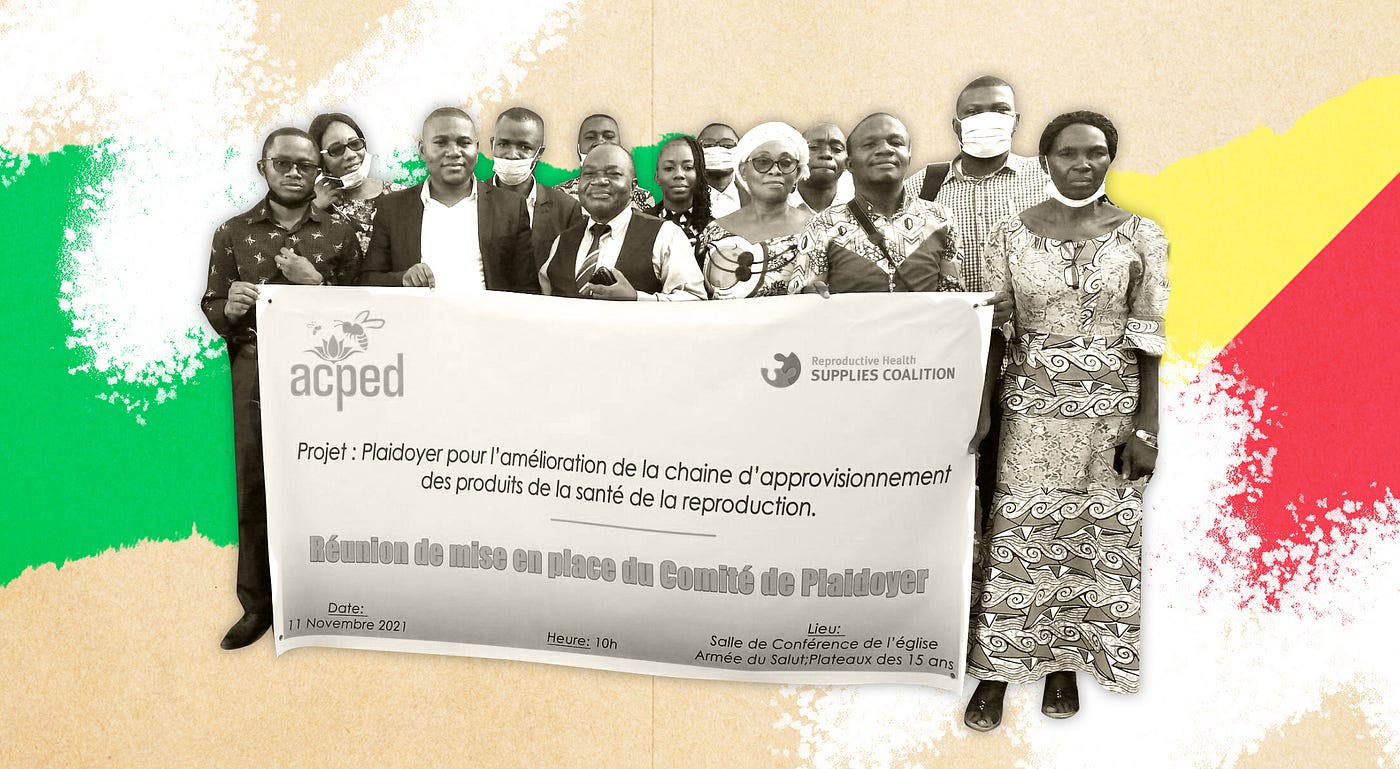
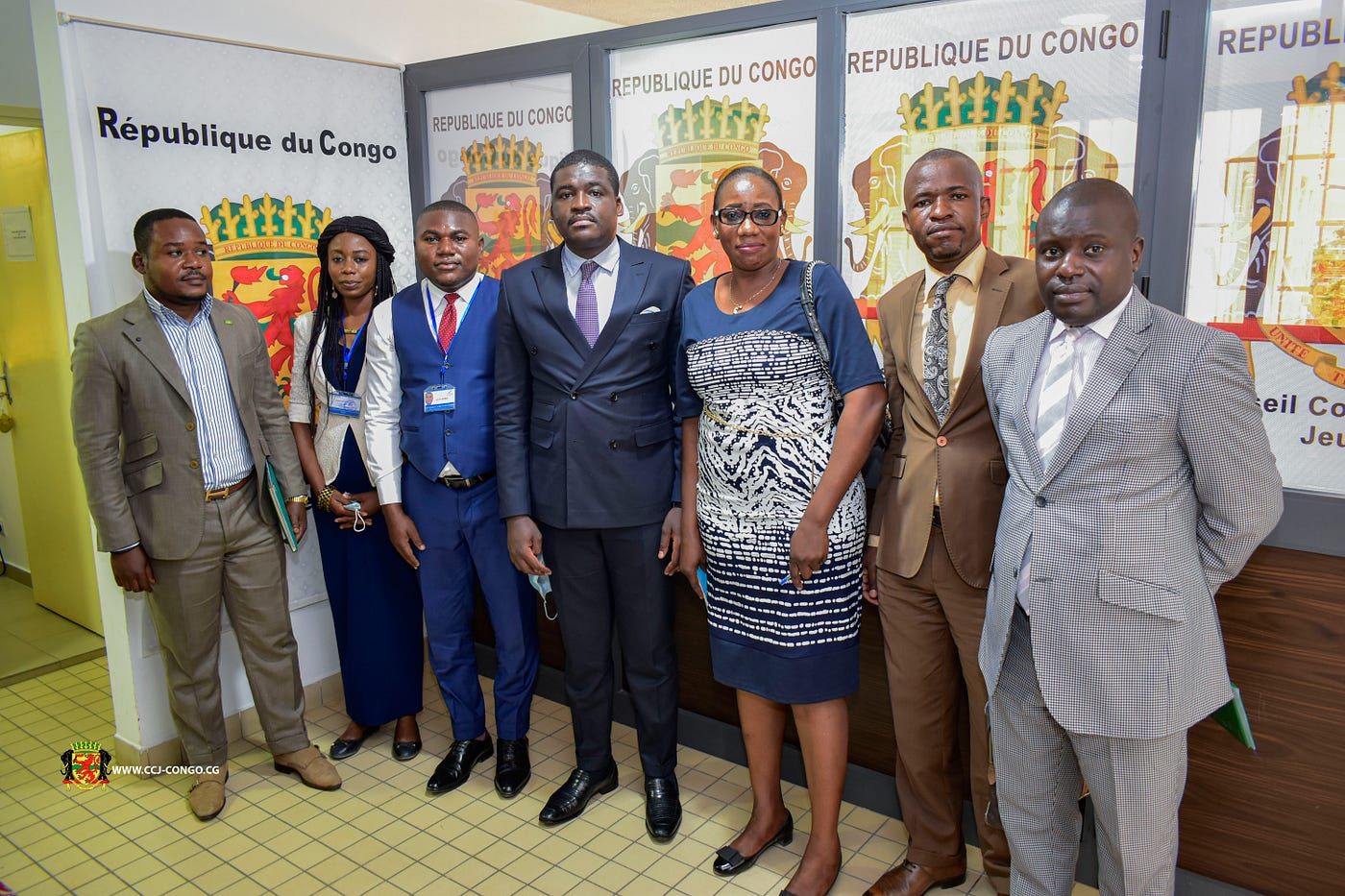
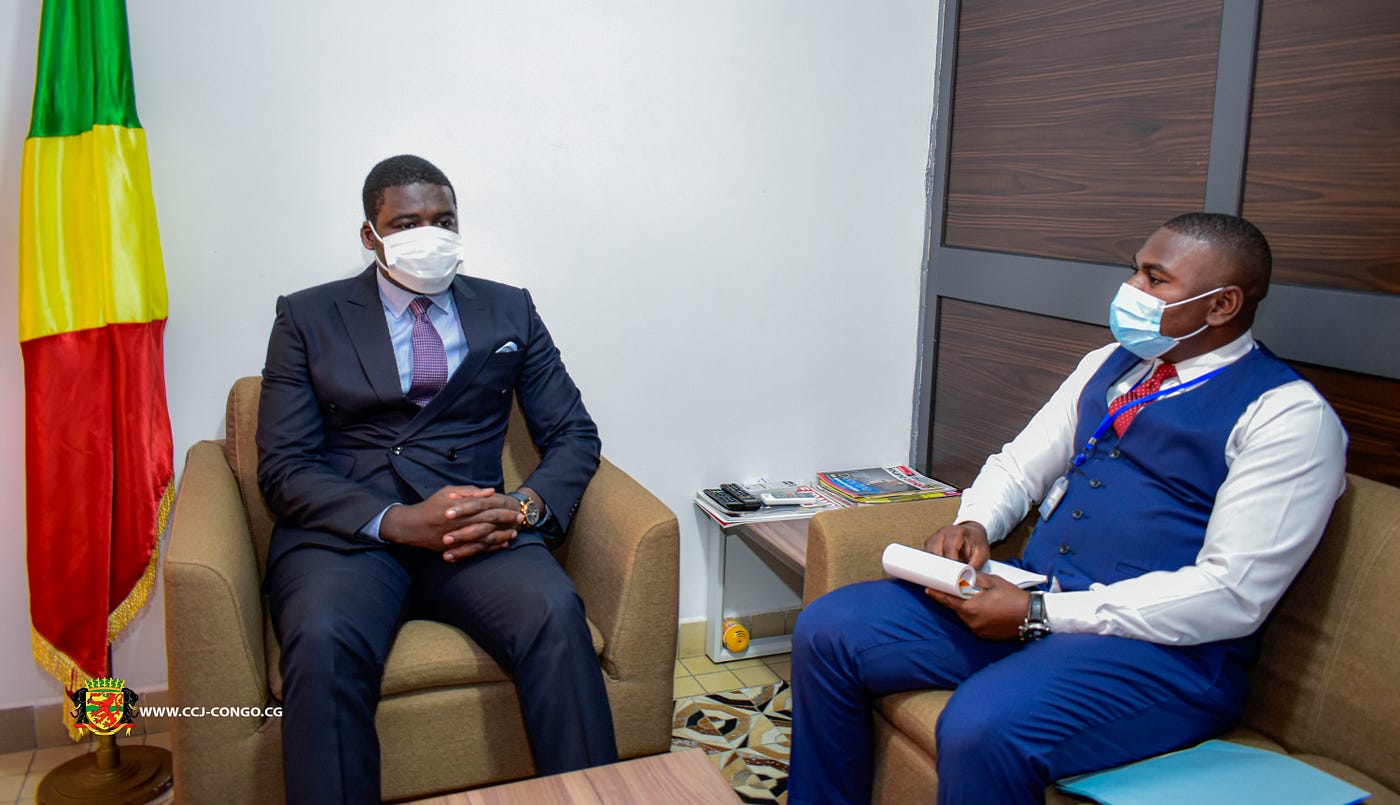
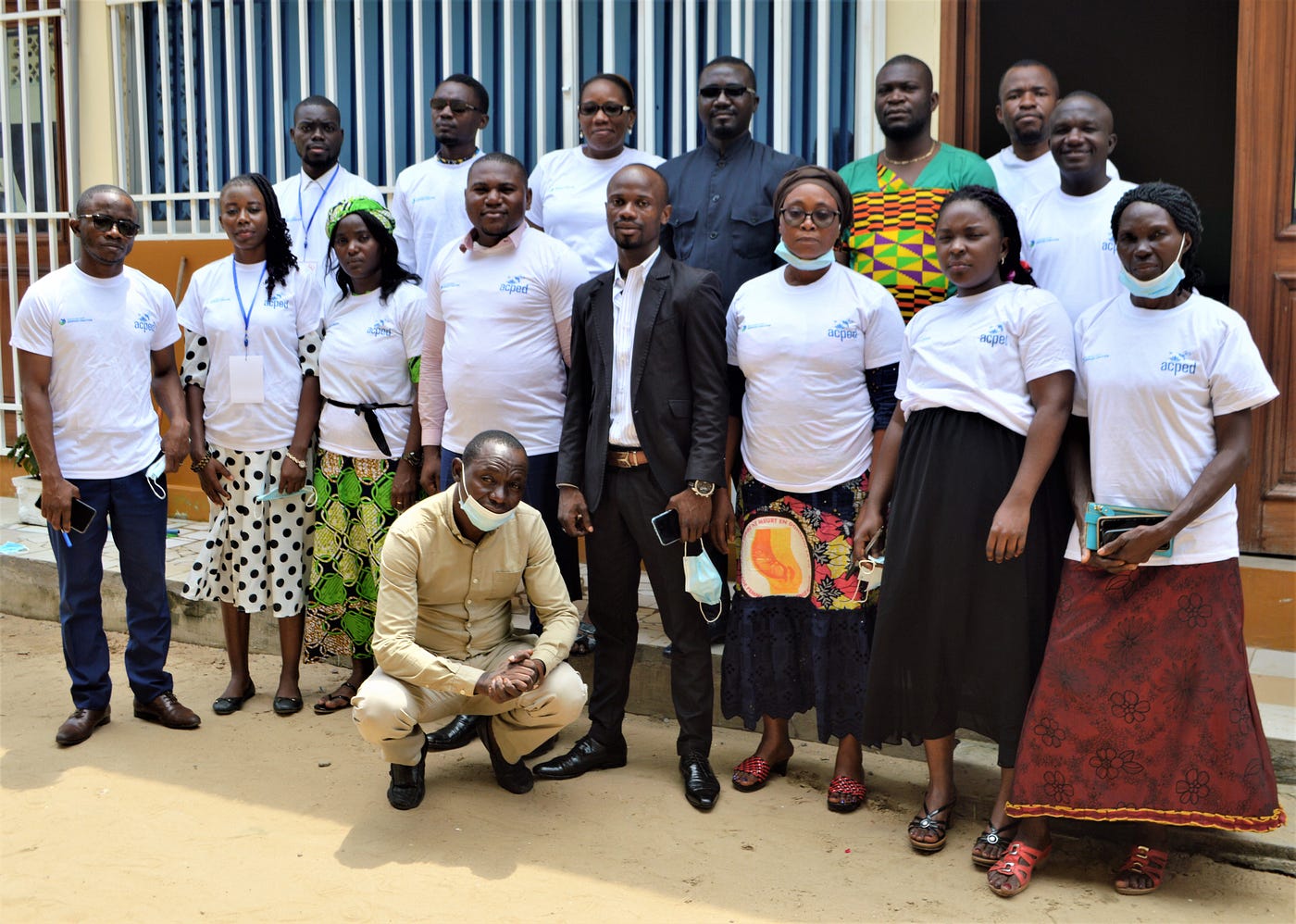
But one group of activists in Congo-Brazzaville are not dwelling on these ironies. Instead, they have rolled up their sleeves and begun to change things from within, with RHSC support. A Coalition award to Congolese NGO, ACPED led to the development of COPSAREC (Coalition pour le Plaidoyer en Santé de la Reproduction au Congo) — a nationwide advocacy network, and a strategy to reduce supply stockouts through greater domestic investment. COPSAREC, managed by ACPED, has been making waves in the media and has initiated discussions with the health ministry, central medical store officials, and senate members serving on the country’s health commission.
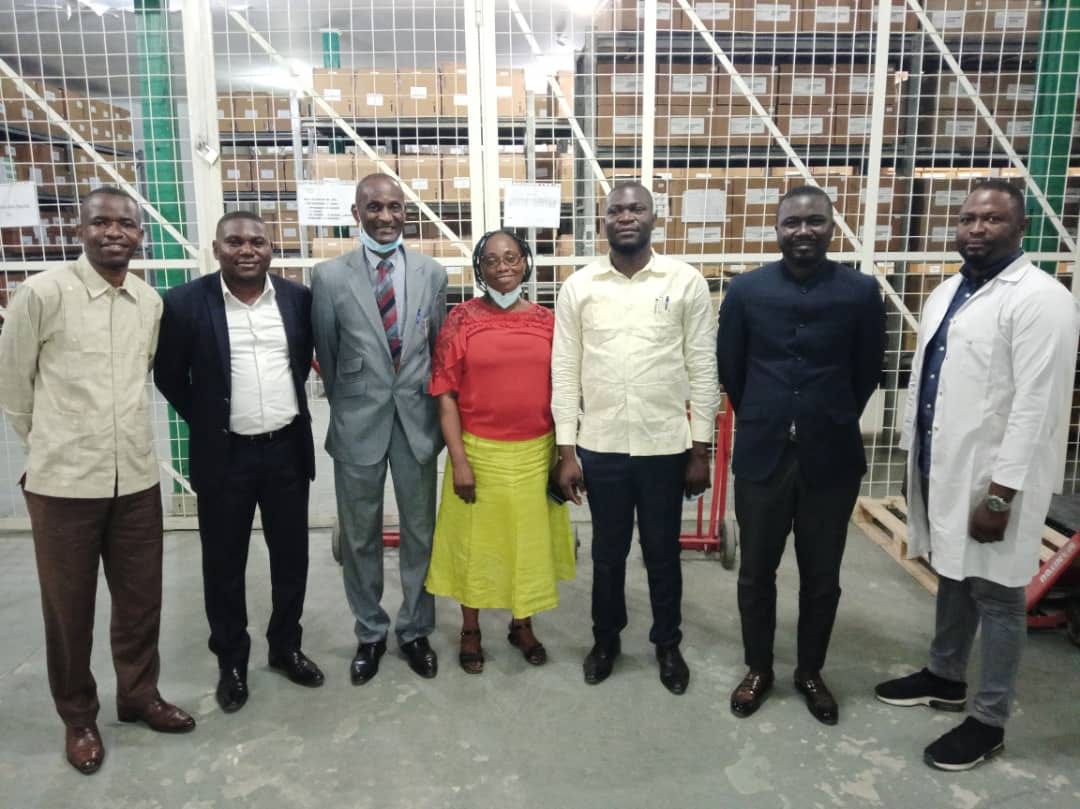
ACPED’s Program Director Laurd Divin Nkounkou describes the nature of Congo-Brazzaville’s SRH supply issues: weak, paper-based logistic management information systems and a lack of reliable data on reproductive health supplies make supply planning a guessing game. The scarcity of data makes advocacy for supply chain funding very challenging. Additionally, poor storage conditions often compromise the quality of SRH products, and stockouts lead providers to withdraw family planning service altogether.
The private sector does not offer a viable alternative, says Laurd Divin. “Emergency contraception, for example, could cost $10 in a private pharmacy, a price inaccessible to almost all women and girls in our country,” he says.
The advocacy network and its priorities
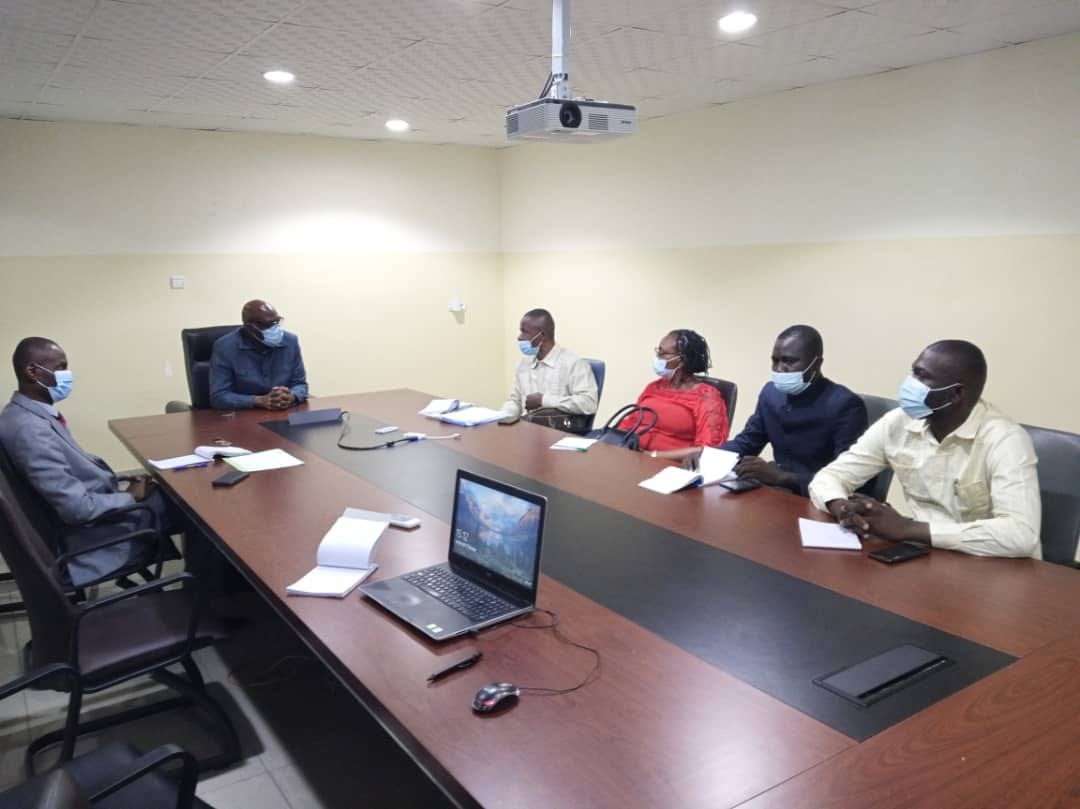
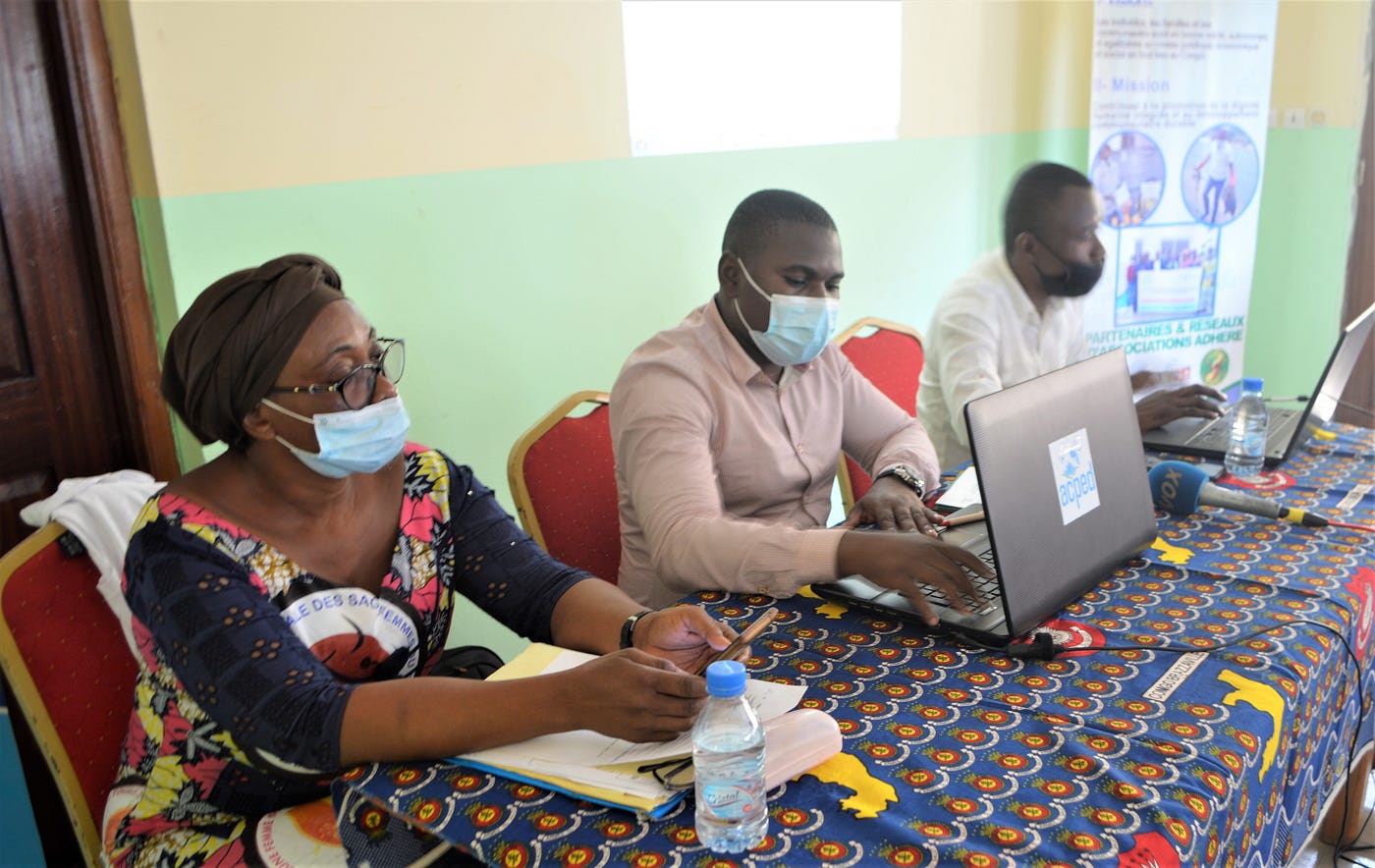
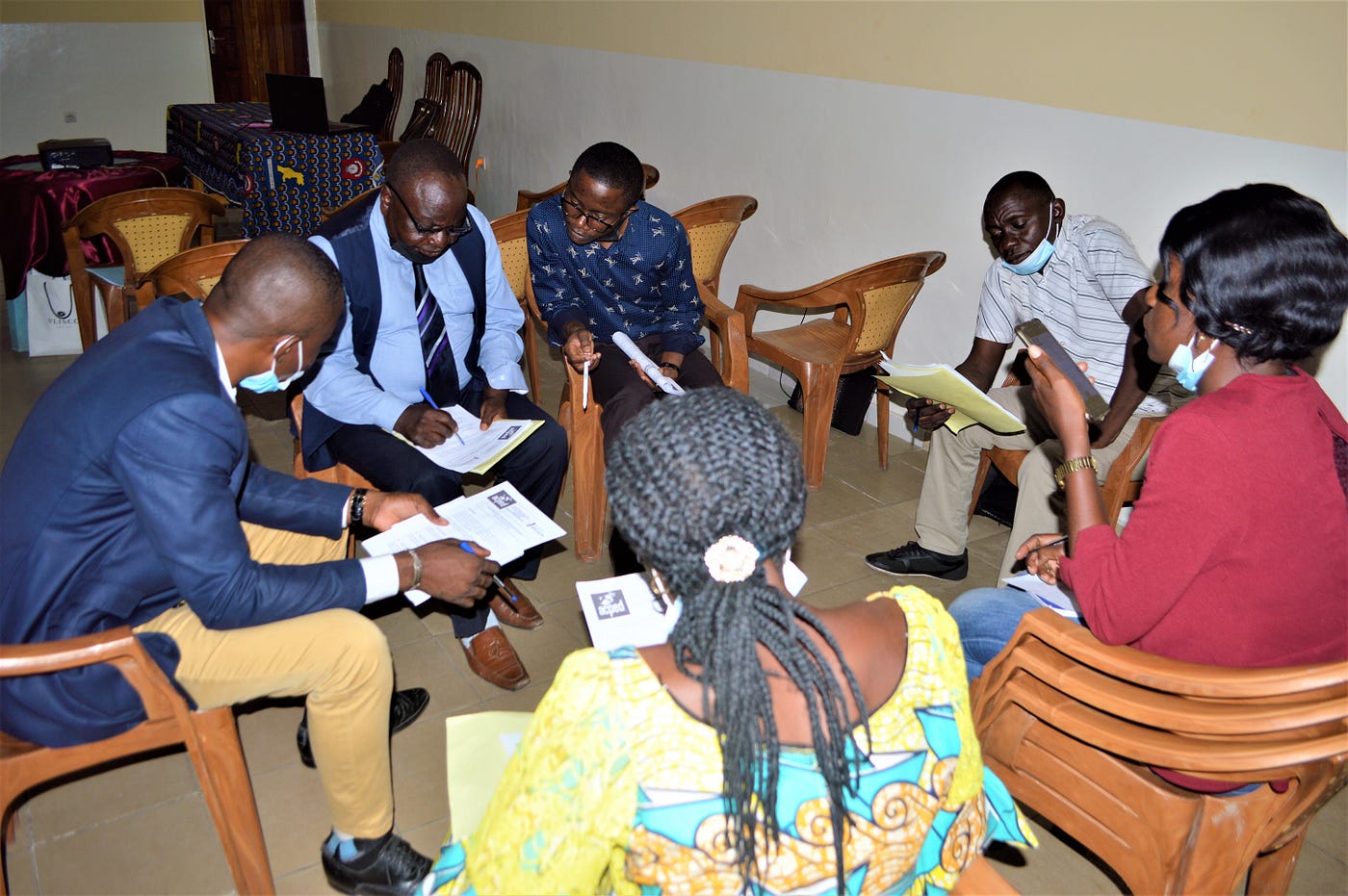
The key objectives of the network are to convince the government to (a) approve a budget item for the construction of a warehouse in the north, and (b) increase investment in supply chain. The national coalition comprises 10 members who work with politicians including members of parliament, Senate and the health ministry.
Laurd Divin admits that aligning coalition partners around a common vision and motivating them to advocate takes vision and commitment. “At the outset, getting people from disparate professional and institutional backgrounds to work together was a challenge,” he says. “But these differences were quickly resolved, and they have endorsed a joint advocacy plan. In addition, COPSAREC met with the director of the country’s central medical store — CAMEPS — to discuss access to RH supplies. The RHSC’s financial support helped tremendously to maintain member engagement.”
Media support
The work of COPSAREC has generated overwhelming media interest with coverage in print, broadcast and online outlets. Laurd Divin has worked hard at getting the media engaged, with a detailed and well thought-out strategy starting with winning the commitment of lead editors and then working with key journalists to engage them in the needs and concerns surrounding access to reproductive health supplies. Journalists now feel personally invested in the issues and see themselves as champions for the cause, Laurd Divin explains.
Looking ahead
The long-term vision is to continue to strengthen COPSAREC beyond the life of the project; to encourage public-private partnerships; and secure new funding to drive home the SRH access needs in Congo. And Laurd Divin is in it for the long haul. “Growing up, I saw many of my peers leave Congo to pursue studies and professional opportunities in richer countries,” he says. “But I thought, ‘Why not try to improve things here in Congo-Brazzaville?’. I also saw cousins becoming mothers too early, and how these early pregnancies got in the way of their studies and education. I wanted to be a part of stopping that trend and giving women real choices.”
What is the biggest lesson Laurd Divin has learned from doing this work, which he would share with other countries/communities in a similar situation? “Don’t be afraid to speak up about SRH challenges, and to knock on the doors of government officials and politicians — they have been very interested in understanding the challenges that their country is facing.
“A small spark can start a great fire! You never know what may come from small actions.”