
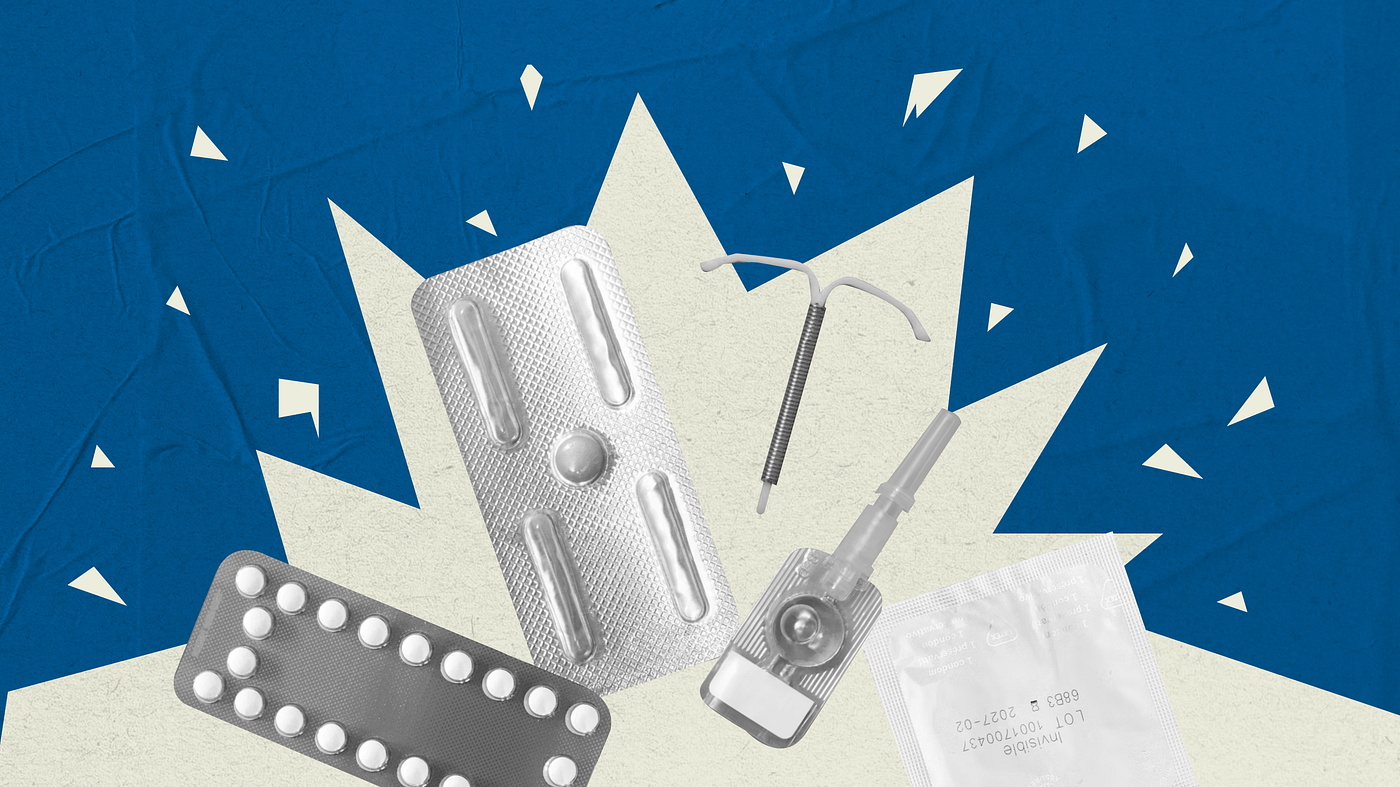


As our community observes World Contraception Day (WCD2025) today, we are keenly aware that while celebrating the many advances in contraceptive access over the decades, the future of reproductive health (RH) access looks far from secure. Sweeping funding cuts, changing donor priorities, and political developments around the world conjure up a bleak picture for women and girls in low-income countries seeking a choice of safe, high-quality contraceptive choices.
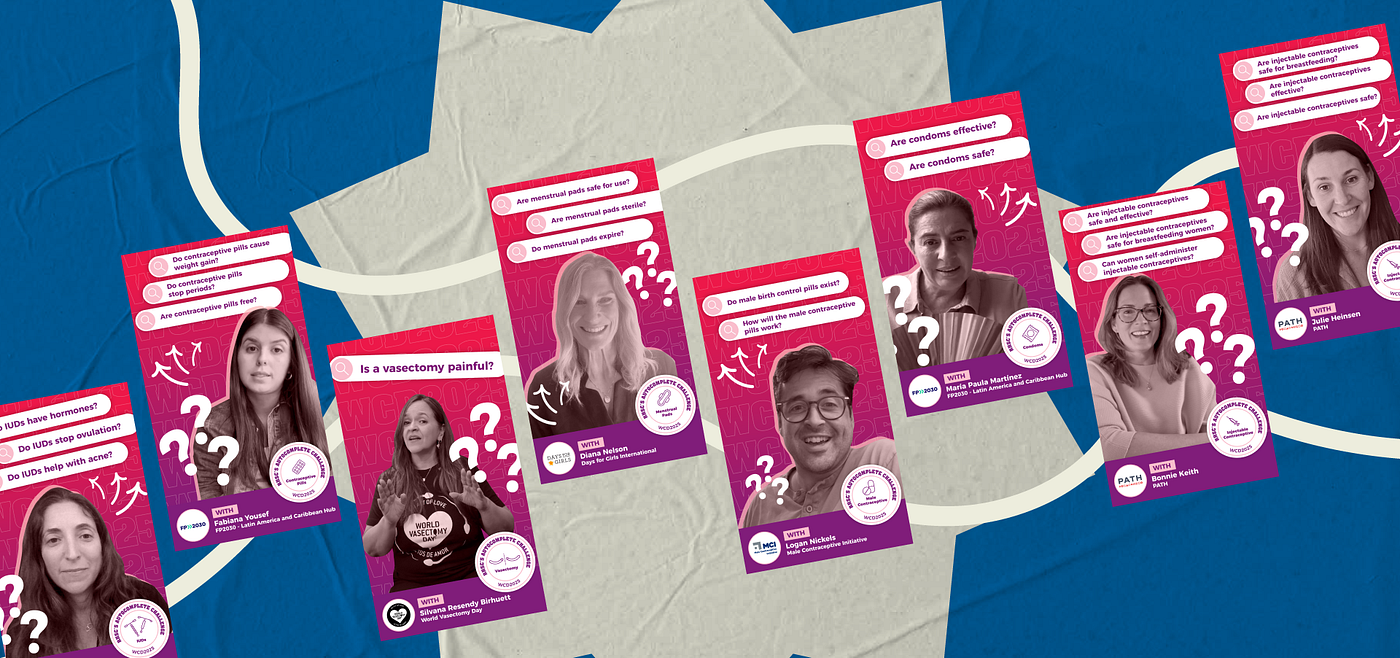
This year, as in recent years, RHSC is participating in the global YourLife WCD2025 campaign — Breaking Barriers, Building Bridges. RHSC understands bridge-building intuitively, as a 21-year-old network of some 600 member organizations sharing a common goal of increasing RH supply access. But what barriers does our community grapple with that threaten women and girls’ free choice, autonomy, and good health? Some barriers to contraceptive access are more obvious such as supply chain glitches and funding shortages. Yet other barriers to access come in the form of a lack of clear information around contraceptive choices, exacerbated by myths and taboo. As part of this global campaign, RHSC has produced a series of myth-busting video snippets shared online through this month, featuring RH experts addressing commonly asked questions about contraceptive methods.
Sidelined
But there are other barriers to contraceptive access — less visible and more deep-rooted, arising from entrenched mindsets and silo-ed thinking. It is not uncommon, or example, for contraceptives to be deprioritized as less therapeutically important. The U.S. government, for example, exempted ‘life-saving’ projects from its funding freeze during its Stop Work Orders early this year, but explicitly noted that family planning programs could not be included under this ‘life-saving’ exemption. Sidelining contraceptive medicines as lower priority commodities is not only short-sighted, it is also inaccurate.
Life-enhancing, lifesaving
Family planning prevents unintended pregnancies, but it also improves maternal and child health outcomes by allowing for safer spacing and timing of births. Access to a range of quality contraceptive methods offers women the agency to make informed choices about their reproductive lives, supporting more educational and economic opportunities. It also reduces the incidence of unsafe abortions. In addition, contraception, if accompanied by counseling on the prevention of sexually transmitted infections (STIs), contributes to better sexual health. In short, family planning saves lives.
More than contraceptives
While family planning products help prevent unintended pregnancies, several contraceptive methods address other medical issues too, at different stages of a woman’s reproductive life. Male and female condoms offer both contraception and HIV/STI prevention. And certain hormonal IUDs and injectable contraceptives are also used to improve endometriosis symptoms, while some hormonal IUDs are prescribed to reduce heavy menstrual bleeding.
Additionally, oral contraceptives offer a range of health applications in addition to preventing pregnancy. They can help with premenstrual symptoms like migraines and low mood, alleviate menstrual symptoms like cramps and heavy bleeding, and even improve acne. Additionally, contraceptive pills could reduce the risk of endometrial and ovarian cancer, address the symptoms of polycystic ovarian syndrome (PCOS), and protect against acute pelvic inflammatory disease and ectopic pregnancies.
Joined-up thinking to better support women and girls’ health and well-being
Breaking down the barriers in how we think about therapies and health technologies could encourage rich conversations and powerful collective action, offering a more holistic, proactive approach to the well-being of women and girls.
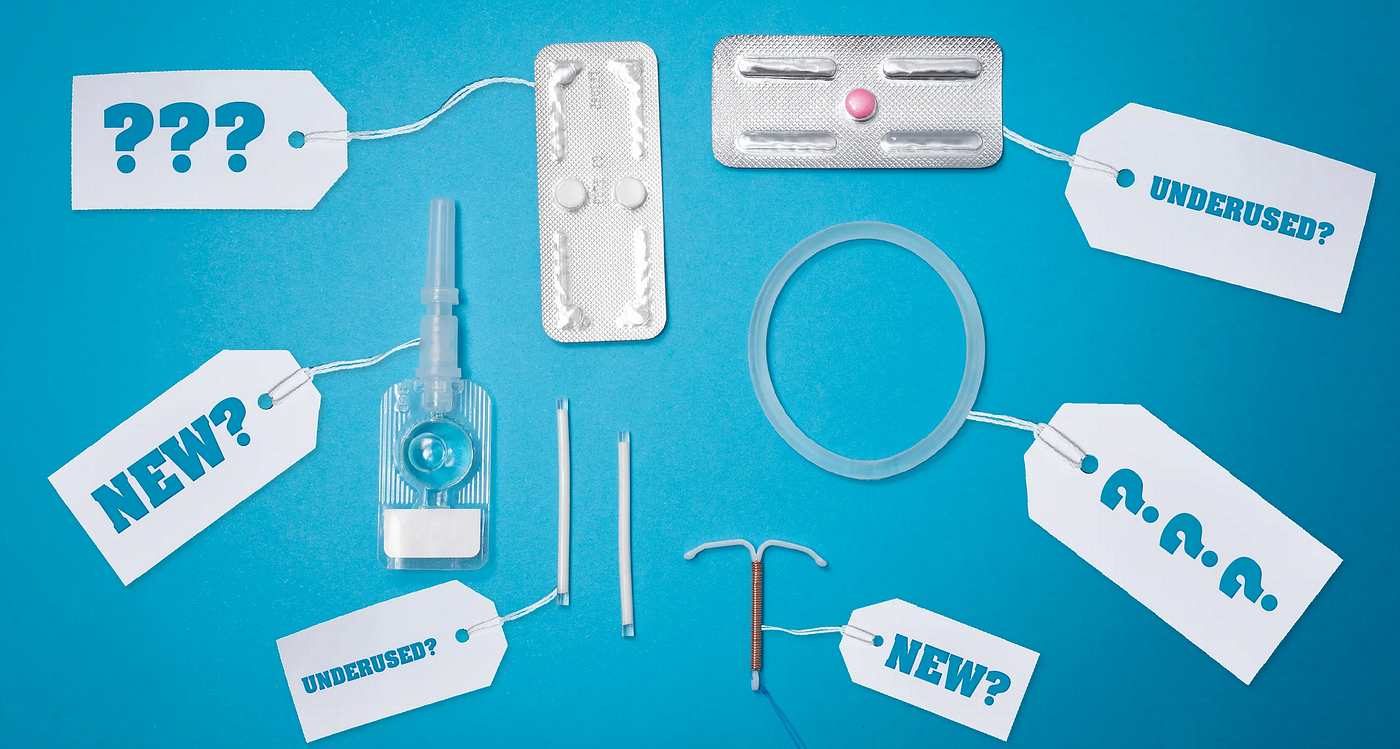
Earlier this year, RHSC’s NURHT Caucus announced RHSC’s shifting focus from “new and underused” toward “new and/or under-accessible” products and technologies. Given that many challenges and solutions tied to RH product introduction and scale-up are similar across many commodities and technologies, this new approach looks for synergies across products rather than isolating a select handful of products. The shift, then, is from a defined list of 13 RH technologies toward a set of common criteria around which shared learning can take place.
More recently, a webinar co-hosted by RHSC heard from a diverse group of speakers examining the intersections between anemia, reproductive health (inclusive of menstrual health, contraceptive use, and maternal health), and nutrition. They shared ideas around tangible, practical interventions to address iron deficiency in reproductive health and nutrition programs; a key takeaway was a need for better integration of nutrition and reproductive health so as to best meet the health needs of women and girls.
Breaking barriers and building bridges is not about erasing the unique importance of reproductive health. Rather, it’s about recognizing that RH is integral to health, and RH supplies can address more than a single medical need. By recognizing and tapping into individual RH products’ multiple indications, and by connecting RH supply-related work to broader health conversations, we can create stronger systems and share lessons and other resources.
As we look to the future, the challenge before us is clear: break down meaningless barriers that further marginalize reproductive health, and make vital connections for reproductive health, rights, and choices of women and girls everywhere.

“As we look to the future, the challenge before us is clear: break down meaningless barriers that further marginalize reproductive health, and make vital connections for reproductive health, rights, and choices of women and girls everywhere.”
RHSC