
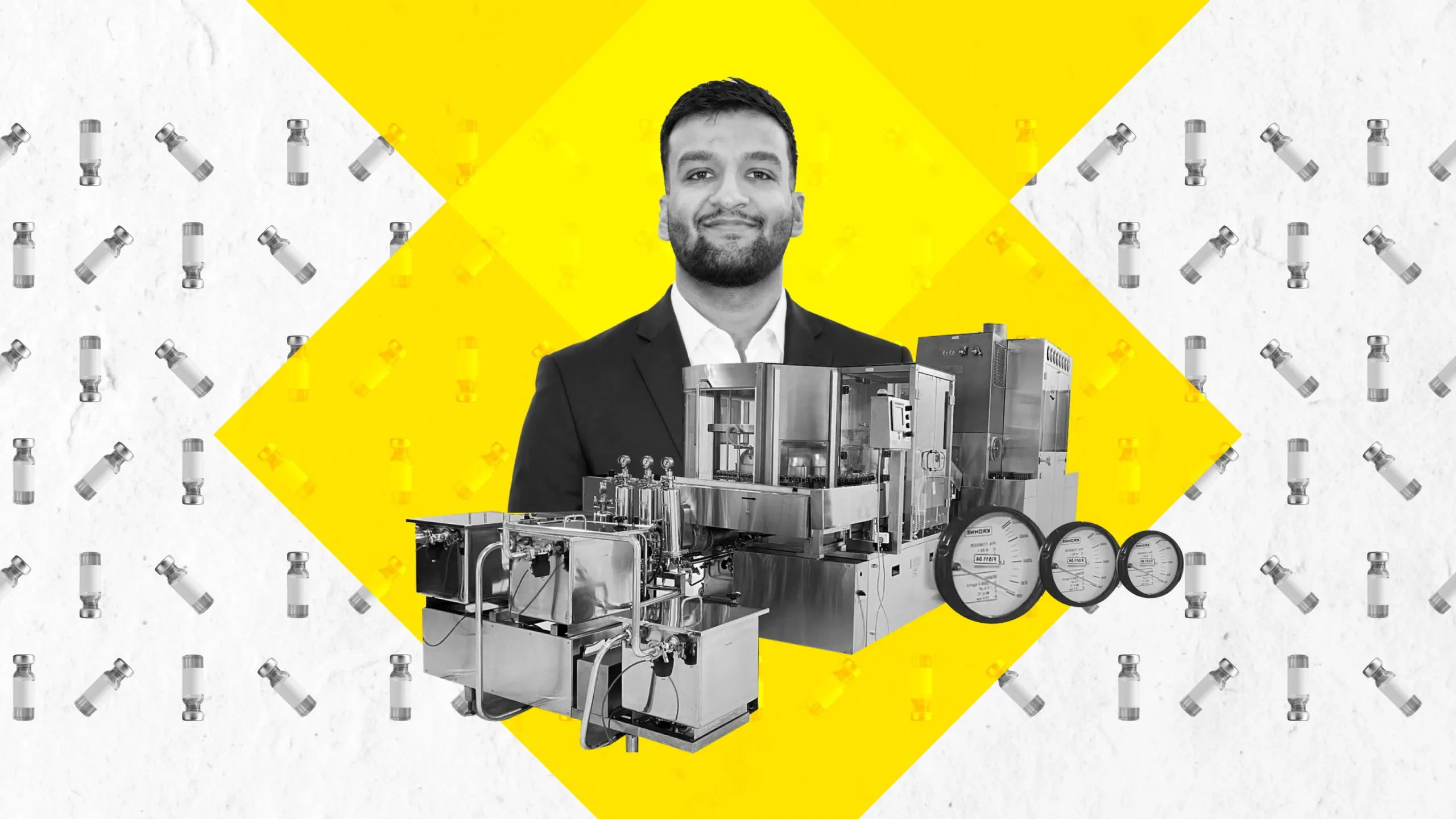


In this interview, Keval Vaghjiani, Director of Tasa Pharma, speaks to RHSC about how the Kenya-based company is reshaping pharmaceutical manufacturing in East and Central Africa. An RHSC member since 2023, Tasa Pharma is the region’s sole manufacturer of sterile injectable medicines and plays a vital role in producing essential, lifesaving maternal health medicines like tranexamic acid (TXA) and magnesium sulfate.

Navigating Crisis: Tasa Pharma’s Role During COVID-19
“There was an acute shortage of collapsible IV bags during COVID, particularly water for injection and sodium chloride. These aren’t medicines themselves, but they’re essential for delivering injectable treatments safely. We were able to fill that supply gap. There are very few sterile manufacturers in the region because the investment, technical expertise, and regulatory requirements are so demanding. When products go directly into the bloodstream, there is simply no room for compromise.”
Ensuring Excellence: Upholding Quality in Sterile Manufacturing
“We built our manufacturing facility from the ground up to meet international standards, ensuring we are well positioned to pursue WHO Prequalification (WHO PQ). We’re now working towards WHO PQ for our 500 mg/5 ml glass ampoule of TXA, which will help us expand into other African markets, and we’ve also successfully completed an independent QUAMED assessment. Patients shouldn’t have to choose between quality medicines and affordable ones, and we want to show that African manufacturers can deliver both.”
Tasa Pharma’s Impact on Maternal, Newborn, and Child Health
“Relying on imports isn’t ideal for an emergency medicine, especially in rural areas where supply chains are already stretched. When we realized there was only one tranexamic acid (TXA) manufacturer in the region, we saw the opportunity to make a real difference. We trust that attaining WHO PQ for our products will give governments, NGOs, and healthcare providers confidence that Tasa Pharma is a reliable regional supplier.
We recently engaged with The London School of Hygiene & Tropical Medicine who led the landmark WOMAN Trial involving more than 20,000 women, showing that administering TXA as early as possible after postpartum hemorrhage (PPH) reduces the risk of death from bleeding by around 30% while maintaining a strong safety profile. These findings underpin WHO’s recommendation that all women with postpartum hemorrhage should receive TXA as soon as possible after diagnosis.
Key Statistic
30%
Administering TXA as early as possible after postpartum hemorrhage (PPH) reduces the risk of death from bleeding by around 30% while maintaining a strong safety profile.
We also produce magnesium sulfate — the WHO-recommended treatment for preventing seizures in women with severe pre-eclampsia and eclampsia. After TXA, it became our next maternal health priority because regional supply relied heavily on imports with long lead times and inconsistent quality. Hospitals told us that concerns over quality affected confidence in using the medicine.
A third product of ours — caffeine citrate — is the first-line treatment for neonatal apnea in premature babies, helping prevent breathing interruptions that can lead to brain injury. We’re developing a locally manufactured version because imported products are often unaffordable. Our goal is to significantly reduce the current price, making this lifesaving treatment accessible beyond private hospitals and NGOs.
The Gates Foundation recently awarded Tasa Pharma with grant funding to support our vision to expand access to affordable, quality-assured maternal, newborn, and child health (MNCH) products by strengthening regional manufacturing capacity. This support is a clear endorsement of our shared vision, recognizing the quality and impact of Tasa Pharma’s work while providing vital momentum to expand our regional reach and long-term impact.
Building Regional Manufacturing Capacity in East and Central Africa
Africa remains heavily reliant on imported medicines from India and China, where long lead times and high transport costs can make supply unreliable. Unlike wealthier markets, many African countries cannot simply pay more to secure shipments during shortages. Tasa Pharma is helping build a more resilient regional supply chain by manufacturing essential medicines locally. From our base in Kenya, we now supply neighboring countries including Somalia and are expanding into new markets such as Ghana.
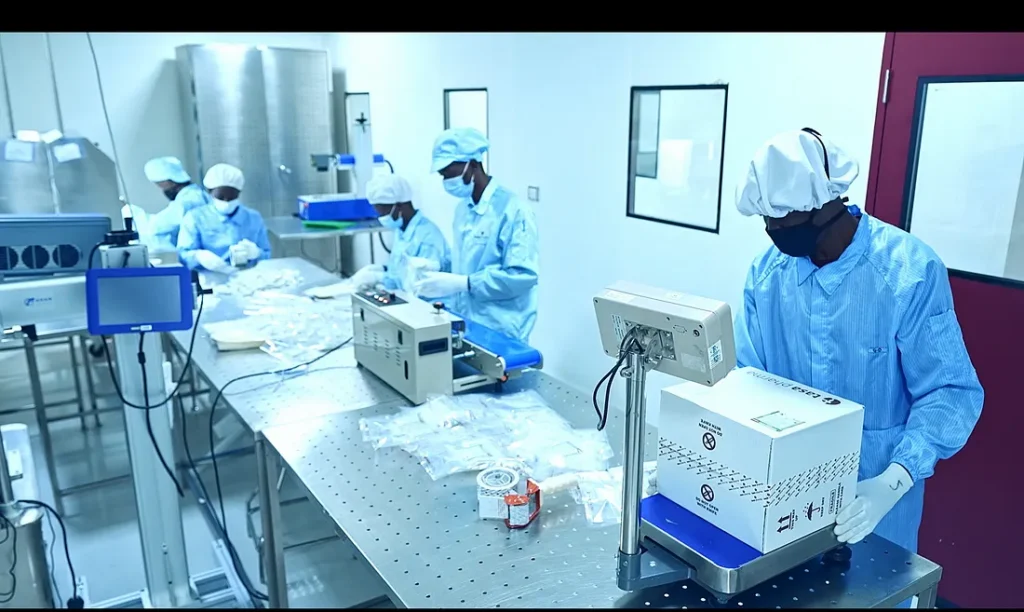
Building manufacturing capacity also means investing in people. When we started, there was little local expertise in sterile pharmaceutical manufacturing, so we invested heavily in training our workforce in aseptic production, quality systems, and advanced manufacturing. Today, more than 60% of our employees are women, and many who joined with little experience have developed into skilled technical professionals. We also partner with universities, including USIU-Africa and the University of Nairobi, to offer pharmacy students internships with hands-on experience.

“Good decisions start with good data. RHSC’s maternal health resources — particularly the LEAP reports — helped us understand where the biggest gaps existed between need and supply.”
Keval Vaghjiani
Tasa Pharma
Local manufacturing has already improved access and affordability. Before Tasa Pharma entered the market, hospitals relied solely on imported morphine and pethidine. We now supply the same high-quality products at significantly lower prices. Greater local production increases competition, reduces dependence on imports, and makes essential medicines more accessible across the region.
How RHSC Membership Supports Tasa Pharma
“Good decisions start with good data. RHSC’s maternal health resources — particularly the LEAP reports — helped us understand where the biggest gaps existed between need and supply.”
LEAP’s findings on TXA were particularly striking and played a major role in our decision to prioritize expansion into new markets. Those are the kinds of analyses that would be extremely difficult for an individual manufacturer to produce on their own.
RHSC has also helped bridge the gap between research, manufacturing and implementation. The educational materials such as webinars on maternal health, together with clear data visualizations, have helped us better understand how medicines are used in practice and how manufacturers can remove barriers to access.
Through the Manufacturers Working Group, we’ve connected with like-minded organizations tackling similar challenges, opening the door to future collaboration as we expand beyond Kenya.
The Future of Pharmaceutical Manufacturing with Tasa Pharma
Since launching, Tasa Pharma has supplied more than 8 million doses of injectable medicines through ampoules and IV bags, strengthening access to essential medicines across Kenya and helping improve the reliability of healthcare delivery. Following significant investment in research and development, manufacturing infrastructure, and product registrations during our formative years, we’ve entered a period of strong commercial growth, achieving 65% revenue growth in the last year while expanding our workforce to more than 100 employees.
“Tasa Pharma has supplied more than 8 million doses of injectable medicines through ampoules and IV bags, strengthening access to essential medicines across Kenya and helping improve the reliability of healthcare delivery.”
Keval Vaghjiani
Tasa Pharma
“Our vision is to build a broad portfolio of product licenses rather than focus on just two or three medicines at very high volumes, which is the model of many larger manufacturers we compete with. In this way, we are able to produce medicines for which demand may be lower or where conditions like neglected diseases and maternal and newborn health have historically been underserved, often because they are less commercially attractive to develop and register.
Over the past four years, we’ve invested heavily in R&D and product development, growing our portfolio from around seven products in 2021 to over 50 today.
With exports now commencing to neighboring countries, the next phase of Tasa Pharma’s journey is to replicate our model for high-quality, locally manufactured injectable medicines across Africa. By manufacturing essential medicines closer to the point of care, Tasa Pharma aims to strengthen regional supply chains, reduce reliance on imports, and improve access to affordable, life-saving treatments, with a long-term vision of delivering lasting improvements in health outcomes for millions of people across Africa.
About Tasa Pharma
An RHSC member since 2023, Tasa Pharma Limited is helping to reshape pharmaceutical manufacturing in East and Central Africa. Based in Kenya, the company is the region’s only manufacturer of sterile injectable medicines, producing essential ampoules and IV bags under tightly controlled conditions to ensure they are free from bacteria, viruses, fungi, and other microorganisms.
Tasa Pharma increasingly prioritizes essential maternal health medicines. RHSC’s 2024 study on local manufacturing in Sub-Saharan Africa found that, in a market where production of tranexamic acid (TXA) comes largely from Indian manufacturers, Tasa Pharma was the only regional manufacturer actively producing the medicine. Tasa Pharma is also one of only a handful of pharmaceutical manufacturers in Sub-Saharan Africa producing magnesium sulfate — another lifesaving maternal health medicine.