
Member groups
Maternal Health Supplies
Working Group
We improve access to a wide range of maternal health supplies. How? We are the space where members come together to address bottlenecks undermining maternal health supply security. Here, through key partnerships, they accelerate progress. Our members work together to leverage data visibility, systems strengthening, market development, and advocacy to accelerate access to a wide range of high-quality maternal health supplies.



On this page:
What We Do
The Maternal Health Supplies Working Group convenes the global maternal health community to address the most pressing challenges around access to maternal health supplies. It provides a platform for sharing best practices and knowledge, developing strategies, and connecting technical experts to promote access to a range of high-quality, affordable, and effective maternal health technologies and supplies.

Collective Action on Quality
The quality of maternal health supplies in markets in low-resource settings varies significantly. We identify bottlenecks and ways to improve financing, regulation, and procurement of quality-assured maternal health supplies.

Financing and Domestic Resource Mobilization
Current financing for maternal health supplies is insufficient. Overcoming gaps requires political will, coordinated advocacy, evidence of return on investment, and support for country decision-makers in mobilizing resources.

Catalyzing Impact Through Product Introduction
Excellent maternal health solutions exist, yet they often remain inaccessible in low-resource settings. We work to introduce and scale up lifesaving products into health systems.
Our Focus
The focus of the Maternal Health Supplies Working Group is defined and driven by our members, responding to bottlenecks or barriers to maternal health supply security as they emerge and elevating new evidence, best practices, and lessons learned as they become available.

Promoting Quality Maternal Health Supplies
8 Resources
Promoting Quality Maternal Health Supplies
The quality of maternal health supplies in low-resource settings varies significantly, with many substandard products available in local markets. These problems are due to a range of issues related to cost, regulatory barriers, and challenges with adequate financing. The working group serves as an important platform for elevating barriers to access to quality-assured maternal health medicines and outlining a collective path forward to address them. The working group hosts important convenings to align around the most pressing quality issues, playing an important role in elevating critical issues as well as producing and disseminating critical resources. The working group has created a range of important advocacy tools and messages, evidence, and data insights to promote high-quality maternal health supplies.
The working group supported the development of a critical advocacy resource—Buy Quality Oxytocin, Keep It Cold—which forges a common language in talking about the quality of oxytocin and the importance of the cold chain in assuring quality.
Historically, the group also supported the development of a wide range of policy briefs, business cases, and market development tools aimed at supporting the financing and procurement of quality-assured maternal health supplies.

Supporting Innovative PPH Product Introduction
3 Resources
Supporting Innovative PPH Product Introduction
In 2024, we supported seven organizations to introduce and scale up two innovative postpartum hemorrhage prevention and treatment products: heat-stable carbetocin (HSC) and tranexamic acid (TXA). These seven organizations supported product introduction efforts in four different sub-Saharan African countries: Uganda, Kenya, Sierra Leone, and Nigeria.
Across the different project approaches, grantees supported preparatory activities to drive the scale-up of HSC and TXA by training master trainers on the use of both medicines and then rolling out facility-based trainings to health care workers, in addition to providing mentorship and supervision.
Through these efforts, we not only supported recipients in expanding product reach within their countries, but identified several critical lessons learned for broader application.
These efforts were funded through the Catalytic Opportunity Fund for Introduction and Scale-up of New and Lesser-Used Postpartum Hemorrhage Medicines (NLUM-PPH COF), co-managed by RHSC and CHAI with support from MSD for Mothers and the UK’s Reproductive Health Supplies Programme.

Regionalization of Maternal Health Supply Chains
5 Resources
Regionalization of Maternal Health Supply Chains
In sub-Saharan Africa (SSA), disruptions in health supply chains, limited regional pharmaceutical production, and reliance on foreign imports can impede the availability of essential maternal health products. Through our Compass Initiative, we assessed the demand for—and manufacturing capacity of—five essential maternal health products across eight countries in SSA. This work, done in partnership with US Pharmacopeia, assesses the current landscape, barriers, and opportunities for regional manufacturing.
This suite of resources includes a comprehensive landscape assessment of regional manufacturing of maternal health supplies in SSA as well as a short fact sheet that summarizes key report findings. It also includes a report that assesses the potential for joint supply planning in West Africa, as well as a blog and webinar that dive further into the initiative findings.
The Compass resources provide critical evidence for considering barriers, opportunities, and next steps for regional manufacturing and joint supply planning for maternal health supplies in SSA in addition to relevant advocacy messages and next steps.
Featured Webinars
We regularly host webinars to disseminate emerging evidence, tools and resources, best practices, and lived experiences from our members and partners.
-
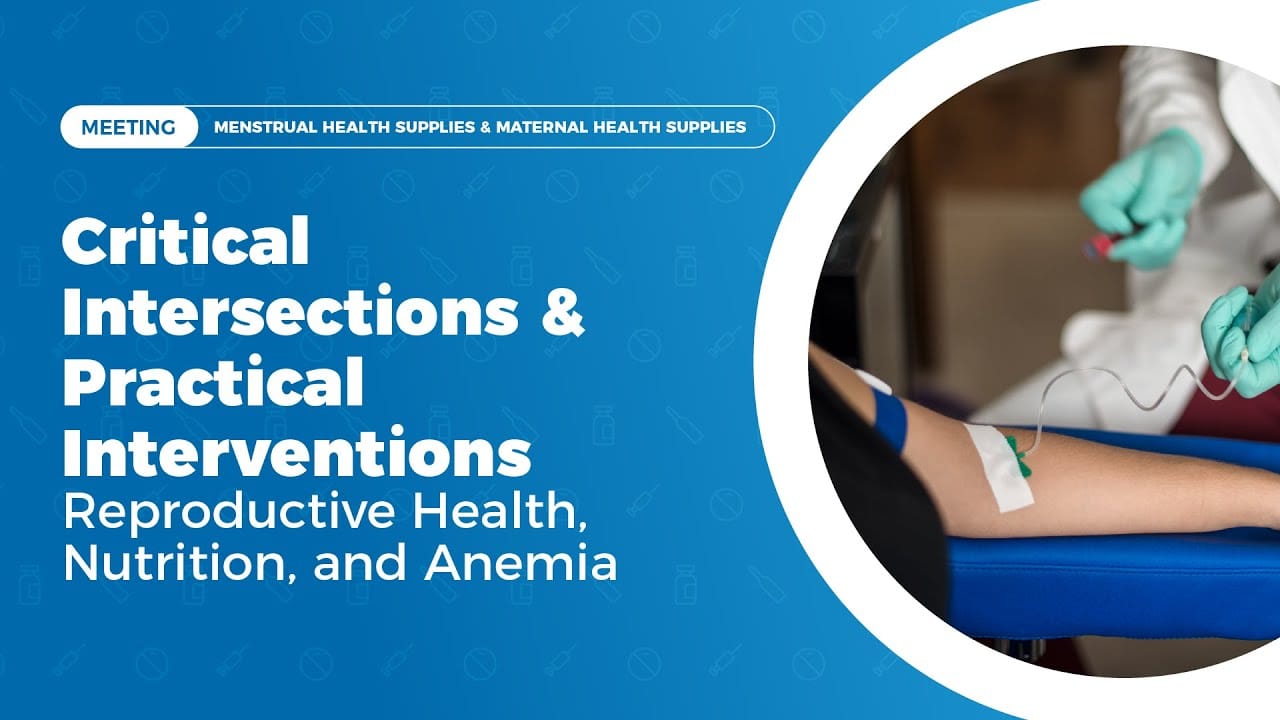
September 10, 2025
Critical Intersections & Practical Interventions: Reproductive Health, Nutrition, and Anemia
Watch Webinar -
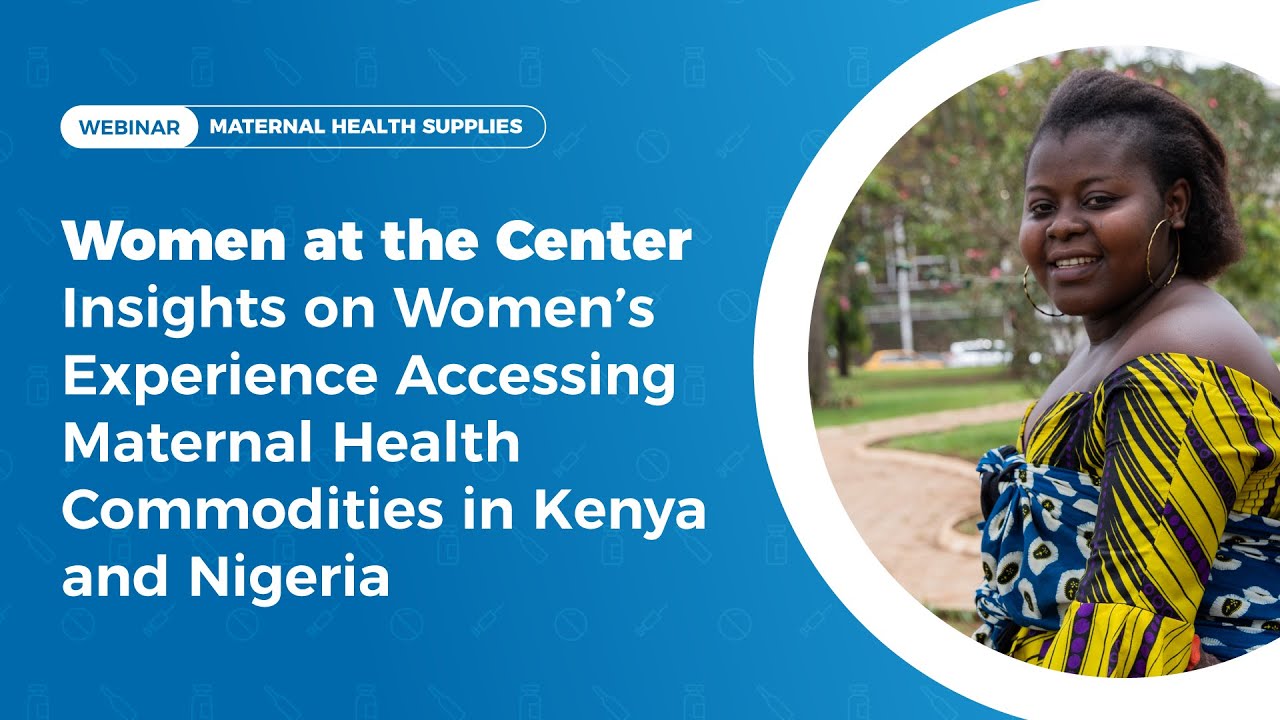
July 4, 2025
Women at the Center: Insights on Women’s Experience Accessing Maternal Health Commodities in Kenya and Nigeria
Watch Webinar -

June 11, 2025
The Economic Rationale for Quality-Assured Uterotonics in Advancing Universal Health Coverage
Watch Webinar -
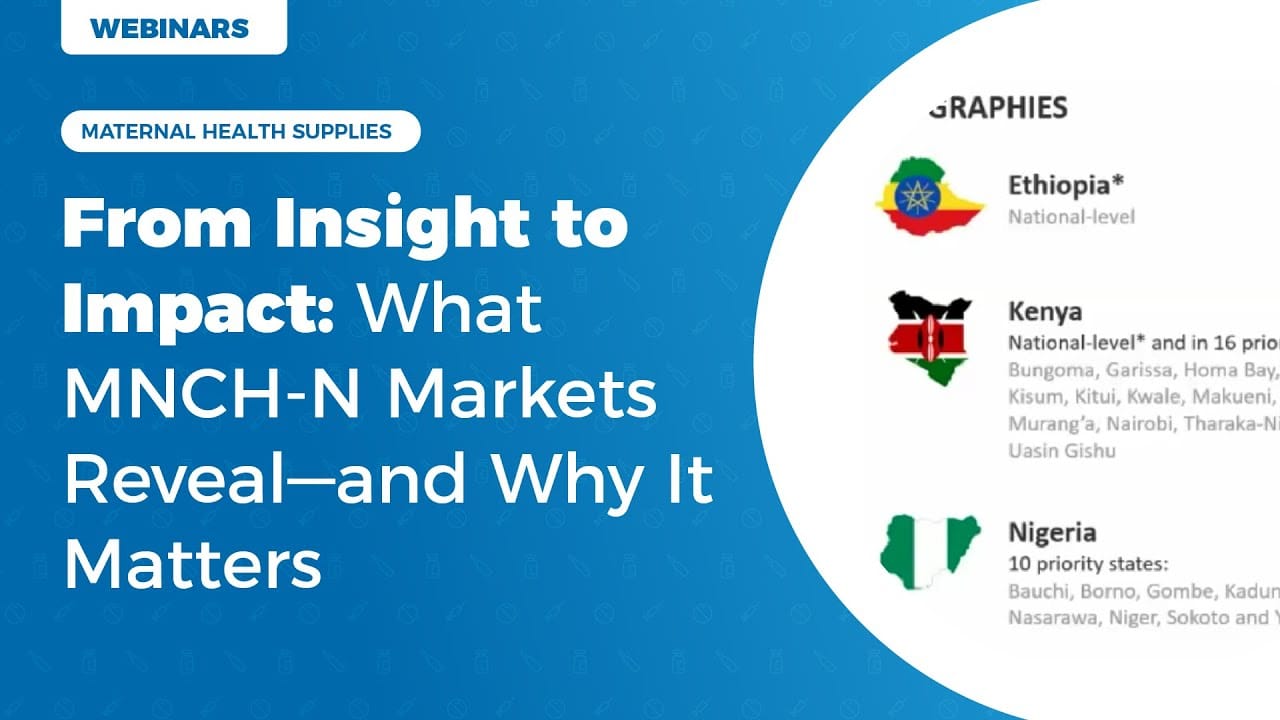
June 2, 2025
From Insight to Impact: What MNCH-N Markets Reveal—and Why It Matters
Watch Webinar -
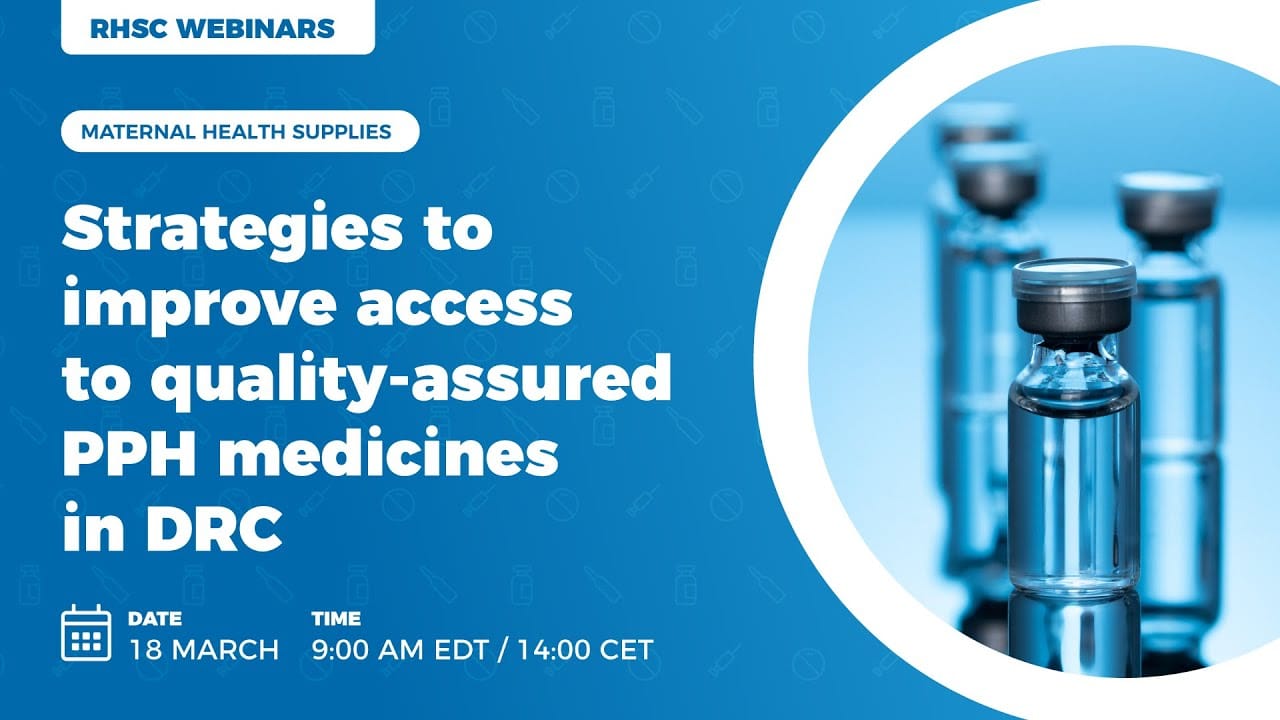
March 18, 2025
Strategies to improve access to quality-assured PPH medicines in DRC
Watch Webinar -
October 22, 2024
Implementation Research Evidence for Prevention and Treatment of Postpartum Hemorrhage in High Burden Low-and-Middle-Income Countries
Watch Webinar -
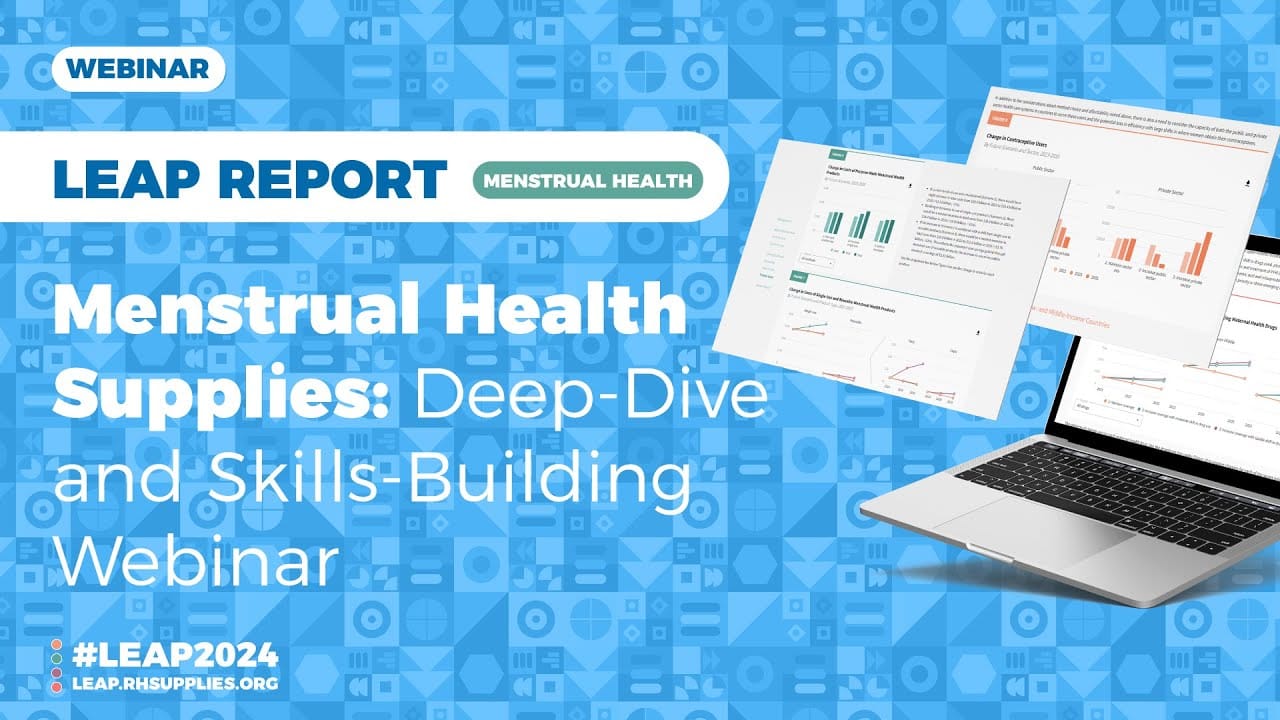
October 16, 2024
#LEAP2024 Report: Maternal Health Supplies – Deep-Dive & Skills-Building
Watch Webinar -
September 3, 2024
Preeclampsia/Eclampsia: Tools, Medicines and Supplies, New Developments, and Quality Studies
Watch Webinar
Resources & Publications
Maternal Health Supplies Working Group members collaborate to capture best practices, key advocacy messages, lessons learned, and evidence and data to expand access to maternal health supplies. They provide strategic input into resources and publications under development.
Latest Impact Stories
Read the latest stories to get a glimpse of the impact of the Maternal Health Supplies Working Group.
Opinion
February 16, 2026
New Training and Medicines Help Ugandan Health Workers Tackle Leading Cause of Maternal Death
Group Leadership & Contact
Working Group Chairs lead member collaboration, coordinate priorities and work plans, represent their groups, and drive collective action to advance RHSC’s strategic objectives.
Chairs


Secretariat Contact

Ready to Join the Group?
This is one of the vehicles through which RHSC members collaborate.