

On the eve of International Education Day, we hear from LAPTOP Scholar Jean Claude Niyibizi on…
What inspired him to enter healthcare supply chain work
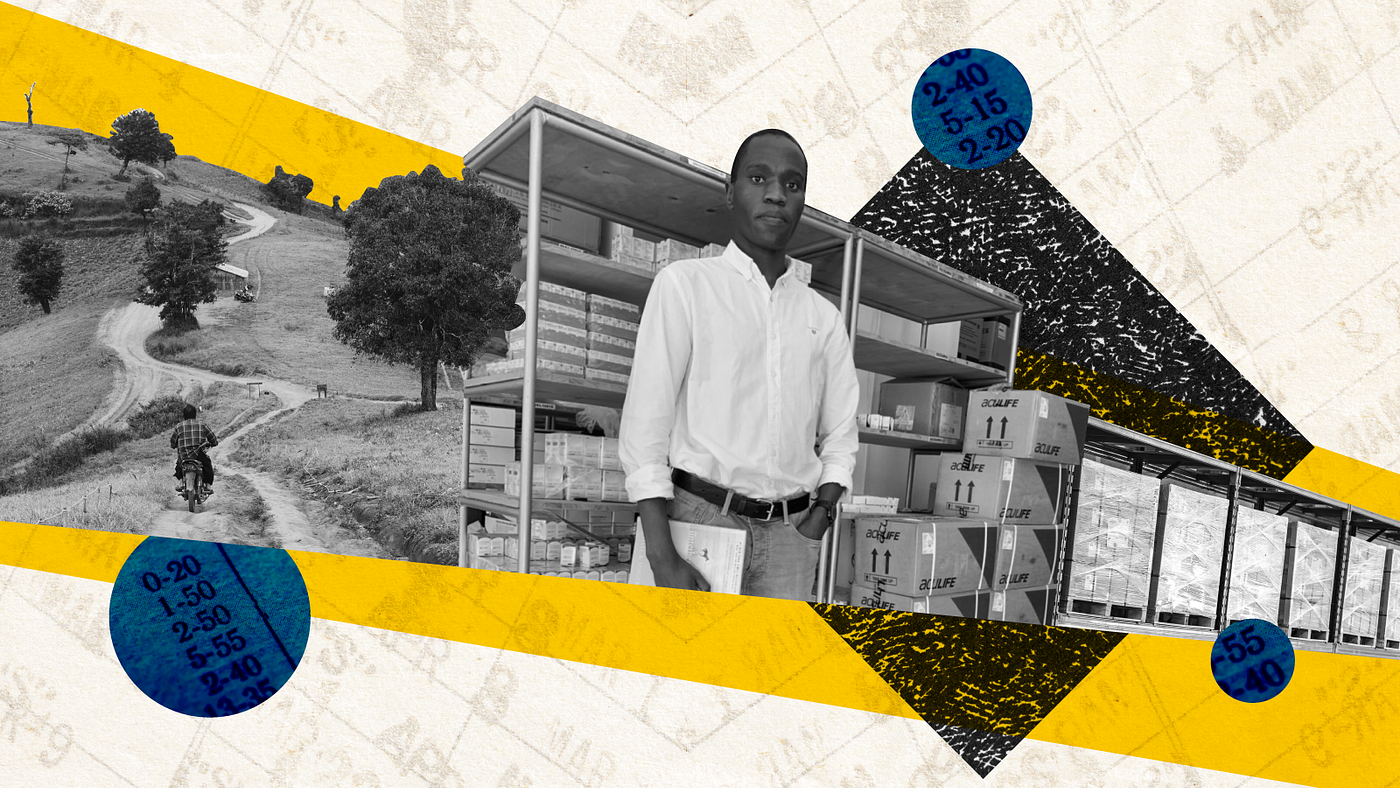
When I was a child, I watched my father go on his sales rounds to remote communities in rural Rwanda, selling medicines. I saw the power medicines had to save lives, and I saw how eager people were to get their drug of choice for their health conditions. It started me on my life’s journey of working with healthcare supplies.
What he does today
A pharmacist by profession, I now work at Partners in Health. My work involves procurement and inventory management for anti-cancer drugs, nutritional products, and cancer-detecting equipment, as well as reproductive health supplies.
How it started
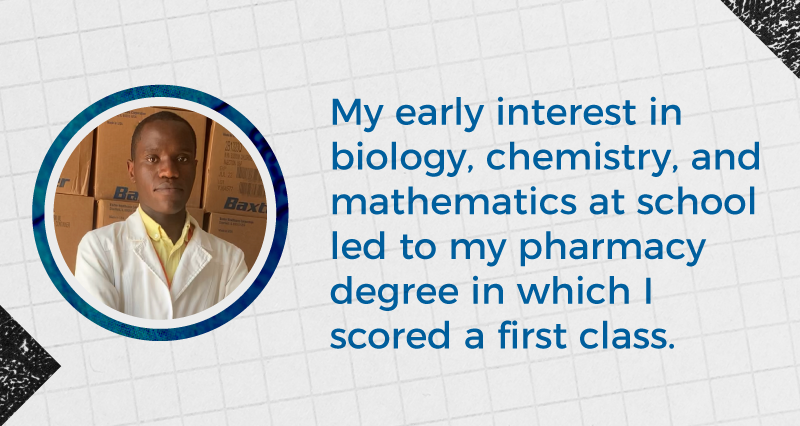
My early interest in biology, chemistry, and mathematics at school led to my pharmacy degree in which I scored a first class, and then to an internship, where I encountered many stockouts of lifesaving medications. I became interested in how to prevent stockouts — they lead to complications of disease, long hospital stays, and complications. I learned that a well-functioning supply chain is key.
Resilience
With the current global funding crisis which is negatively affecting many countries, some of our mitigation strategies had to be thoughtful and creative. We ran out of funds for in-person training, so we made do with online training, mentorship programs, virtual check-ins, and one-to-one in-person meetings to avoid the expenses that venue hire and other logistics would entail.
In the long run, LMICs should be collaborating on pooled procurement and developing manufacturing facilities in their regions and countries to minimize import costs.
How his RHSC Laptop Scholarship has helped his career
My Master of Science in Global Health Procurement and Supply Chain Management from the Empower School of Health, in collaboration with the United Nations Institute for Training and Research, has really changed the way I approach my daily work. It has helped me understand quantification, forecasting, and strategic planning better. What I learned supports me in evidence-based decision making, and to improve coordination and contribute to planning. In my daily inventory management work, I can better assess stock levels so that our data is more accurate. In fact, our stockout rate — a key indicator for measuring health commodity availability — has fallen from 8 (out of 10) to 2 since I acquired my new skills and I do credit my enhanced knowledge and training.
Where he sees himself in 5 years’ time
Rwanda has many examples of best practice in healthcare, and we have attracted much foreign investment in our decentralized healthcare systems and Rwanda-based vaccine-manufacturing plant. As my supply chain expertise develops, I see myself contributing to regional and global supply chain operations.

Motivation to keep learning
Learning is a continual, lifelong process. Our world is changing with AI playing a bigger and bigger role. We need to learn about how AI works, and what it can do. People are afraid that AI will take their jobs. So we have to stay one step ahead. How can we develop the skills and strengths human beings have that AI cannot replicate? At the weekends, I go for two-hour runs to keep my body healthy, and I watch motivational videos and look for different courses to keep my mind sharp. My primary aim is to grow my knowledge. There is too much at stake in medical access and we owe it to our communities to keep healthcare supply chain efficient and safe.