
IMPACT AREA
Maternal Health Supplies
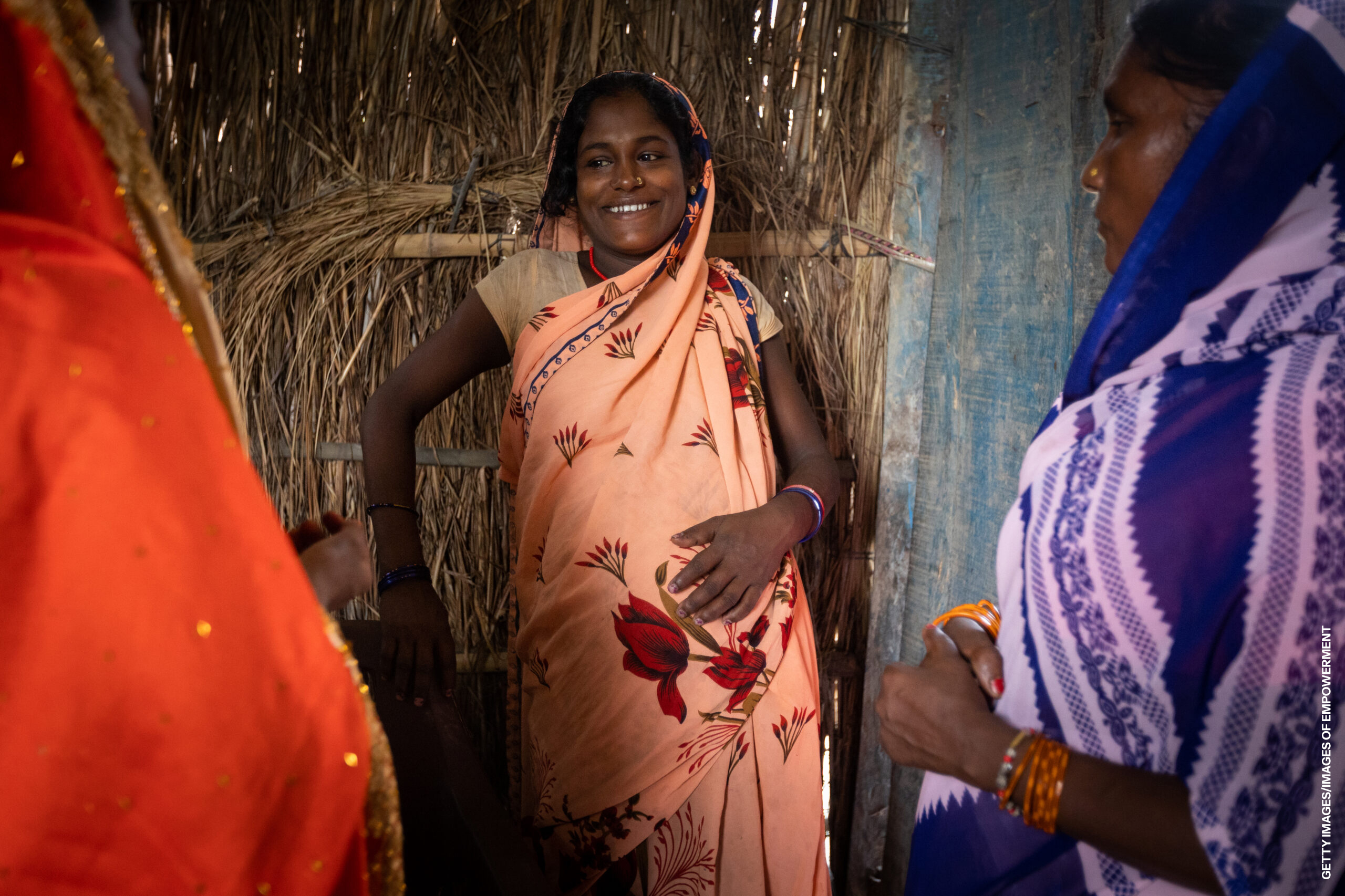
Every mother and every newborn deserve to survive childbirth. Yet stockouts, last-mile delivery issues, and substandard medicines continue to claim lives. RHSC brings governments, donors, manufacturers, civil society, and other stakeholders together to change this, for good.


On this page:
Why This Matters
Access to quality health care throughout pregnancy, during childbirth, and in the postpartum period can prevent emergency complications, ensure intervention or referral when complications arise, and ultimately save lives. Yet, too often, quality maternal health supplies are not available to those who need them most.
Every 11 seconds, a woman or baby dies from a preventable complication in pregnancy or childbirth. And 53 percent of women living in LMICs who need lifesaving uterotonics during childbirth do not receive them. In many cases, this is because the right supplies are not available when and where they are needed most. RHSC accelerates access to a wide range of maternal health supplies, preventing complications, reducing morbidity, and ultimately saving lives.
We have the tools, the supplies, and the evidence we need to end preventable maternal and newborn death. Ensuring that high-quality maternal health supplies—spanning prevention and treatment for a range of maternal health issues like postpartum hemorrhage, pre-eclampsia and eclampsia, maternal nutrition, and infection management—is a critical step in ensuring that high-quality maternal health care is available for all. Estimates suggest that the scale-up of 13 priority maternal and newborn health commodities could save six million lives over just five years.
Quick Facts
Every 11 seconds
a woman or baby dies from a preventable complication in pregnancy or childbirth.
53%
of women in LMICs don’t get the lifesaving uterotonics they need.
$61.50
in cost savings is returned for every $1 invested in maternal and newborn health care.


“RHSC strengthens access to maternal health supplies by connecting data, expertise, and advocacy across the global health community. We help identify gaps, support innovation, and improve the availability of lifesaving products for women and newborns worldwide.”

Samantha Durdock
Chair, Maternal Health Supplies Working Group, Associate Director, Results for Development, USA
The Challenge
High-quality maternal health supplies often don’t reach those who need them due to high costs,
insufficient financial resources, and fragmented supply chains.

Cold Chain Management
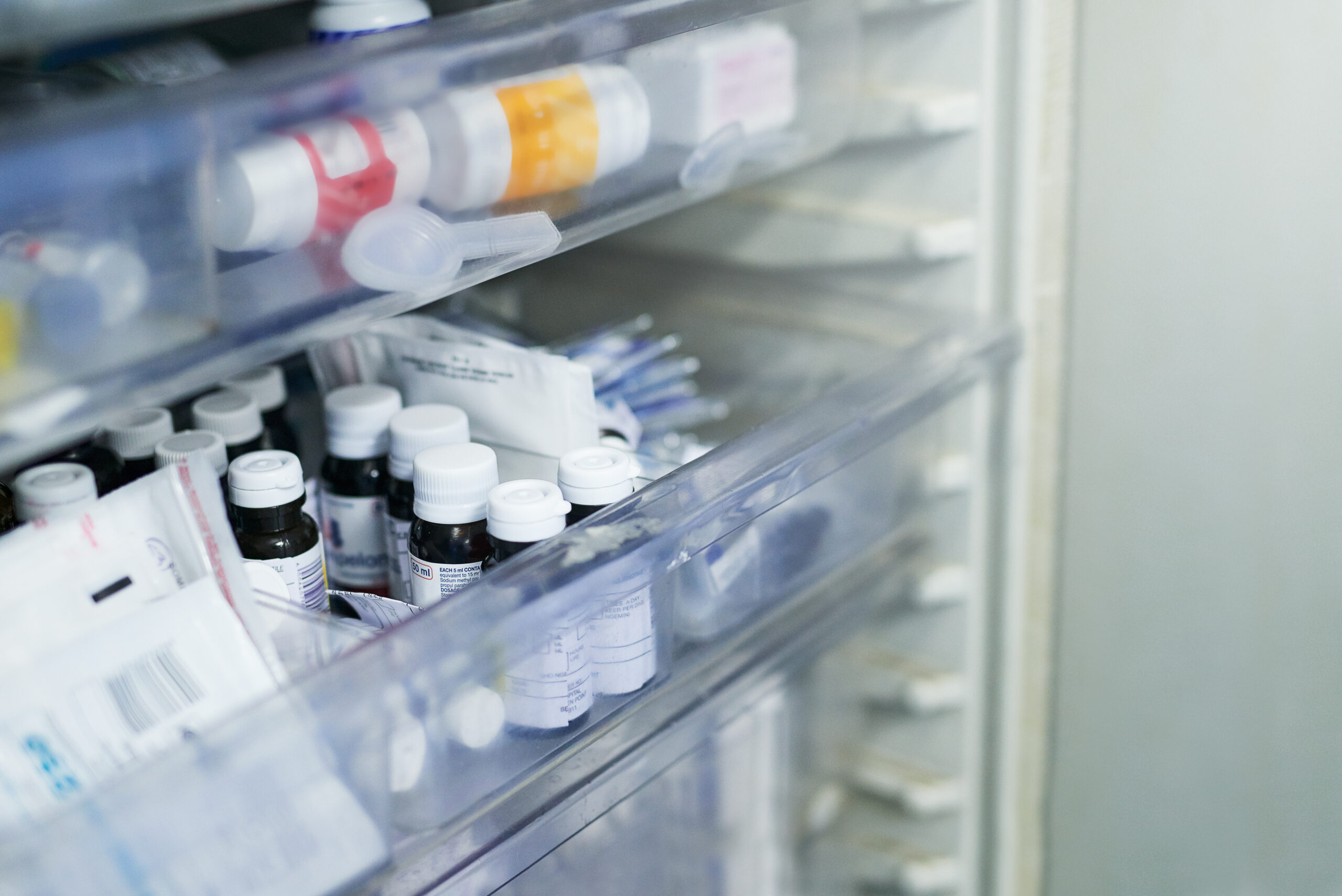
Maternal health supplies that are sensitive to temperature, such as oxytocin, degrade without refrigeration and are difficult to maintain in areas with poor infrastructure, unreliable electricity, and remote locations.

Product Quality Assurance
Substandard maternal health supplies are a challenge due to weak regulations, counterfeit products, fragmented supply chains, and limited post-market surveillance, which can make effective treatments unreliable.


Lack of Access to Diverse Commodities
Access to a wide range of maternal health products is restricted by narrow procurement, market concentration, and regulatory barriers, leaving providers with no alternatives when primary supplies fail.

Nutritional Supplementation Is Often Overlooked
Nutritional supplementation can often be deprioritized and supplied inconsistently, even though nutritional deficiencies directly cause preventable maternal health issues, as well as adverse outcomes during childbirth.


Impact & Results
RHSC catalyzes access to maternal health supplies by improving data visibility, supporting the introduction and scale-up of innovative solutions, and targeted advocacy efforts.

6
African countries
Countries scaled innovative solutions to optimize prevention and treatment of postpartum hemorrhage.

Oxytocin
advocacy messaging
RHSC forged a common language to ensure evidence-based advocacy for access to oxytocin.

3
business cases
We developed business cases to catalyze investment in quality maternal health medicines.

10
MNH commodities
Our LEAP Report analyzes current and future use and cost of lifesaving commodities.
Related Member Groups
Interested in joining our collective action to accelerate access to maternal health supplies?
Learn more about our Member Groups that focus on maternal health supplies, below.
500+
Maternal Health Supplies Working Group
We improve access to maternal health supplies by aligning members on key issues and partnering to accelerate progress. Priorities include product quality, financing, domestic resource mobilization, and scaling proven interventions and innovations.

450+
ForoLAC Advisory Group
We accelerate access to contraceptive supplies by convening members to identify challenges and shape collective solutions. Current priorities include addressing funding cuts, expanding method choice, and developing shared advocacy messages and resources.

650+
Policy & Financing Advisory Group
We improve access to menstrual health products by working with different partners to develop markets and agree on the best ways to get products to people. Current priorities include making products more affordable, improving data, setting product standards, and better linking menstrual and reproductive health.
Media Hub
Impact and insights and progress from the field.

Explore Other Impact Areas
Find out how RHSC and its members are shaping a stronger, healthier landscape for reproductive health supplies worldwide.

Contraceptive Supplies
Each year, nearly half of all pregnancies in LMICs are unintended. RHSC expands access to contraceptive supplies, not only saving lives and enabling choice, but also resulting in significant cost savings.

Menstrual Health Supplies
Across LMICs, 688 million people who menstruate lack access to menstrual products, impacting their health, confidence, education opportunities, economic participation, and dignity. RHSC accelerates access to menstrual products and transforms systems to deliver them.

Safe Abortion Supplies
Each year, 34 million women living in LMICs have unsafe abortions, sometimes resulting in long-term disability and even death. Millions more cannot access safe abortion. RHSC accelerates access to safe abortion supplies, enabling lifesaving abortion and postabortion care.