
IMPACT AREA
Contraceptive Supplies
Strengthening supply chains, improving access to data, and bringing partners together through advocacy to ensure a wide range of high-quality, affordable contraceptive supplies are available to everyone who needs them.


On this page:
Why This Matters
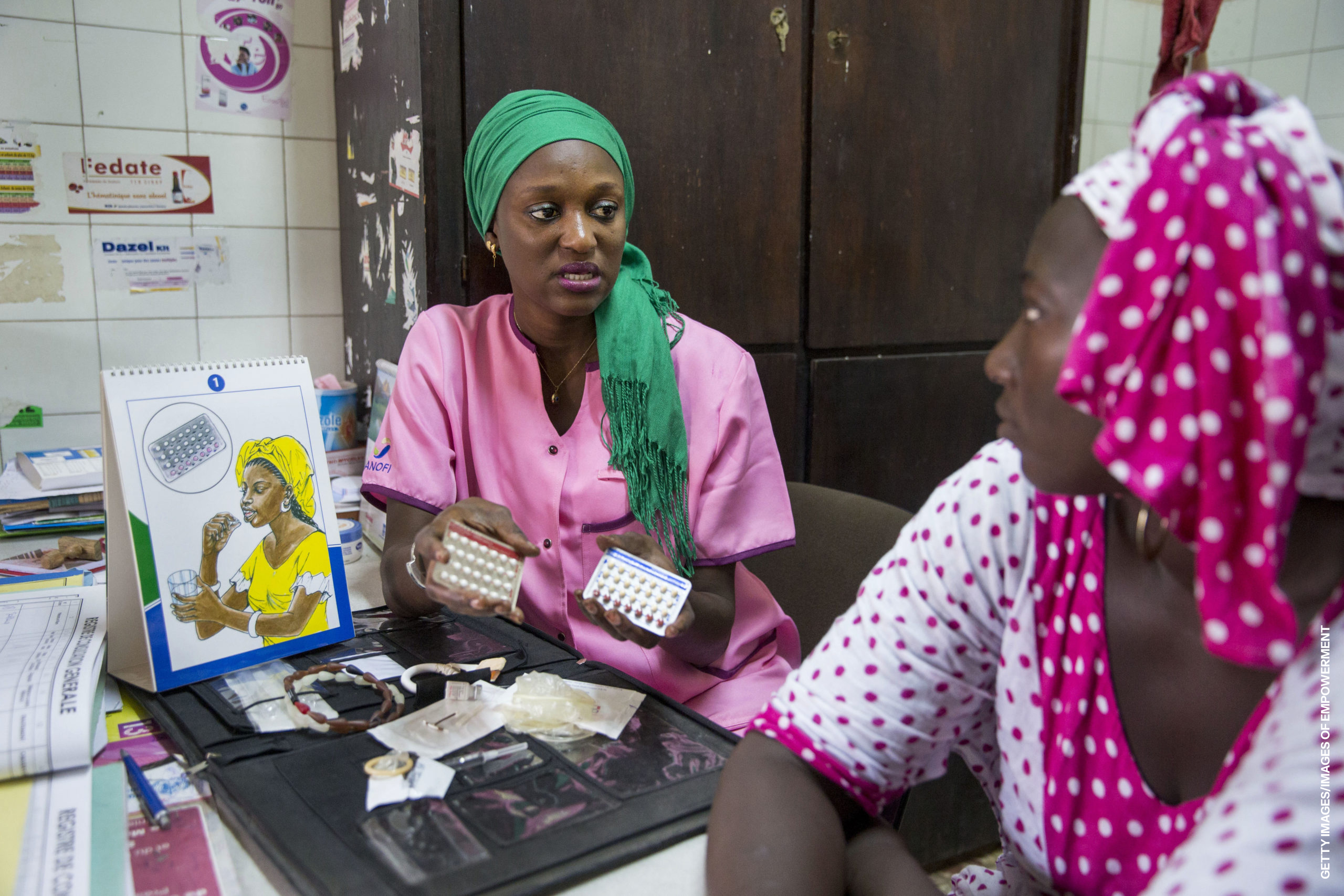
At the heart of reproductive health is women’s power to choose if and when to have children and how many children to have. This ability depends on access to high-quality, affordable contraceptive options that meet diverse needs.
Today, 214 million women and girls in low-resource settings still lack access to modern contraception, and demand is growing. Nearly half of all pregnancies is unintended, increasing risks of unsafe abortion, complications, and maternal mortality.
Investing in contraceptive supplies saves lives and resources: every $1 invested returns $2.50 in reduced health costs alone, with even greater social and economic benefits.
Meeting this needs coordinated action—strong supply chains, better data, sustainable financing, and political commitment—to ensure supplies reach people when and where they are needed.
Quick Facts
111 million
or one in every two pregnancies per year is unintended.
95.4 million+
new modern contraceptive users by 2035.
$120
economic impact gained annually per $1 invested in contraceptives.


“RHSC is uniquely positioned to expand contraceptive access because we unite the full supply ecosystem—across sectors, regions, and expertise—to turn collective action into reliable access for the people who need it most.”

Megan Christofield
Co-Chair, Contraceptives Working Group,
Principal Technical Advisor,
Family Planning & Self-Care, Jhpiego
The Challenge
Systemic barriers coupled with rising opposition and declining donor funding limit access
to safe, affordable contraceptive supplies.

Persistent Funding Gaps
Funding shocks and a perennial gap in funding for contraceptive product procurement resulted in a $288 million funding gap for 2026.


Political Will & Rising Opposition
As donor funding declines, countries must finance more health needs, while rising opposition to family planning sidelines contraceptive supplies amid competing health and economic priorities.


Data Deficits
Effective supply chain management and planning require data visibility and collective action to respond to emerging issues like risk of contraceptive stockout. Yet this data is not always easy to find.


Limited Choice
Contraceptive access relies on users’ ability to choose from a wide range of contraceptive methods. Yet challenges with last-mile distribution, fragmented supply chains, and cost are frequent barriers to access.


Impact & Results
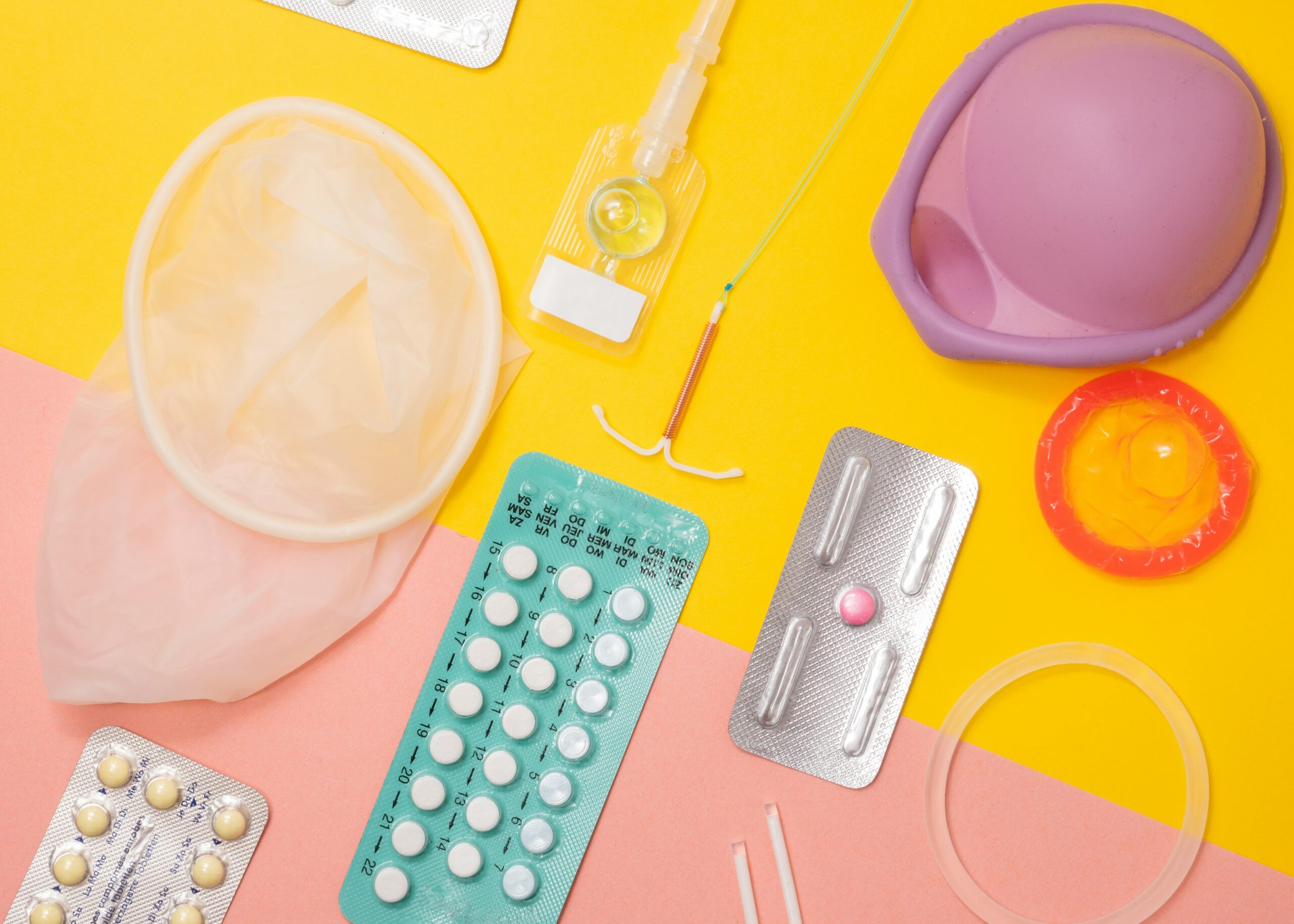
RHSC improves contraceptive supply security through improved data visibility, coordinated community action to address stockouts, and advocacy to ensure that contraceptive supplies are prioritized and funded. We also form strategic partnerships to reduce affordability barriers.

1.8%
stockout rate
Through the VAN, we reduced contraceptive stockouts to the lowest level ever reported.

$182.2 million
mobilized
Financing allocated for contraceptives by identifying funding gaps and coordinating critical resources to fill them.

2X
financial commitment
The Government of Benin committed to contraceptive funding as a result of media advocacy.

13 – 69%
price reduction
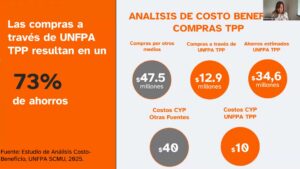
Prices reduced through private-sector engagement in contraceptive procurement and distribution in Peru.
Related Member Groups
Interested in joining our collective action to accelerate access to contraceptive supplies?
Learn more about our Member Groups that focus on contraceptive supplies, below.
1200+
Contraceptive Supplies Working Group
We accelerate access to contraceptive supplies by convening members to identify challenges and shape collective solutions. Current priorities include addressing funding cuts, expanding method choice, and developing shared advocacy messages and resources.

450+
ForoLAC Advisory Group
We convene partners in Latin America and the Caribbean to improve procurement efficiency, reduce prices, and advance equitable access to reproductive health supplies for marginalized populations.

650+
Policy & Financing Advisory Group
We provide a space for members to share information, exchange best practices, and align advocacy to address funding cuts, policy shifts, and next steps in a changing policy and funding environment.
Media Hub
Impact and insights and progress from the field.
-
Laptop Scholar Profile
Toward the day when every woman and girl can exercise their reproductive rights
-
Opinion
Not the End


Explore Other Impact Areas
Find out how RHSC and its members are shaping a stronger, healthier landscape for reproductive health supplies worldwide.

Menstrual Health Supplies
Across LMICs, 688 million people who menstruate lack access to menstrual products, impacting their health, confidence, education opportunities, economic participation, and dignity. RHSC accelerates access to menstrual products and transforms systems to deliver them.

Maternal Health Supplies
Globally, about 712 women die daily from pregnancy or childbirth complications. RHSC advances access to lifesaving maternal health products to make pregnancy and childbirth safer.

Safe Abortion Supplies
Each year, 34 million women living in LMICs have unsafe abortions, sometimes resulting in long-term disability and even death. Millions more cannot access safe abortion. RHSC accelerates access to safe abortion supplies, enabling lifesaving abortion and postabortion care.